


Unlocking the Potential: How EAF Graphite Electrodes Revolutionize Metallurgical Processes
Release Time:
Aug 07,2024
Unlocking the Potential: How EAF Graphite Electrodes Revolutionize Metallurgical Processes Table of Contents 1. Introduction to EAF Graphite Electrodes 2. What Are EAF Graphite Electrodes? 3. The Importance of EAF Graphite Electrodes in Metallurgy 4. Benefits of Using EAF Graphite Electrodes 5. Applications of EAF Graphite Electrodes in the Metallurgical Industry 6. Sustainability and

Unlocking the Potential: How EAF Graphite Electrodes Revolutionize Metallurgical Processes
Table of Contents
- 1. Introduction to EAF Graphite Electrodes
- 2. What Are EAF Graphite Electrodes?
- 3. The Importance of EAF Graphite Electrodes in Metallurgy
- 4. Benefits of Using EAF Graphite Electrodes
- 5. Applications of EAF Graphite Electrodes in the Metallurgical Industry
- 6. Sustainability and Environmental Impact of EAF Graphite Electrodes
- 7. Future Trends in EAF Graphite Electrodes
- 8. Frequently Asked Questions
- 9. Conclusion
1. Introduction to EAF Graphite Electrodes
The evolution of the metallurgical industry has continually pivoted towards innovation and efficiency. Among the key players in this transformation are **Electric Arc Furnace (EAF)** graphite electrodes. These electrodes serve a critical function in the melting of steel and other metals, showcasing remarkable properties that enhance productivity and sustainability. In this article, we will explore the transformative impact of EAF graphite electrodes on metallurgical processes, offering in-depth insights into their applications, benefits, and future.
2. What Are EAF Graphite Electrodes?
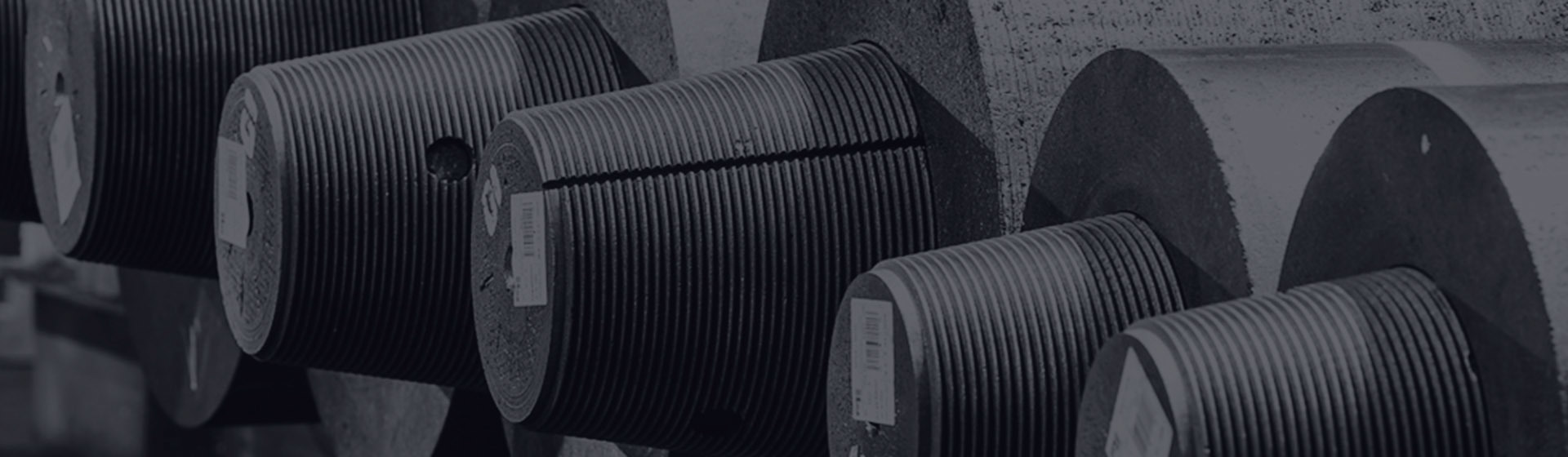
EAF graphite electrodes are essential components used in electric arc furnaces to conduct electricity and produce heat. Made primarily from high-quality petroleum and needle coke, these electrodes are characterized by their excellent electrical conductivity, thermal resistance, and mechanical strength.
2.1 Composition of EAF Graphite Electrodes
The manufacturing process involves combining various raw materials, which are then subjected to high temperatures, resulting in a dense, carbon-rich material. The primary components include:
- **Petroleum Pitch:** Provides the carbon content.
- **Needle Coke:** Enhances electrical conductivity and thermal stability.
- **Graphite:** Imparts strength and stability.
2.2 Types of EAF Graphite Electrodes
EAF graphite electrodes are classified based on their size and strength, which include:
- **Regular Power (RP):** Standard strength for general applications.
- **High Power (HP):** Higher strength for demanding processes.
- **Ultra High Power (UHP):** Maximum strength and conductivity for the most challenging applications.
3. The Importance of EAF Graphite Electrodes in Metallurgy
EAF graphite electrodes play a pivotal role in the metallurgical industry. They are integral to processes such as steelmaking, iron recycling, and the production of non-ferrous metals. Their importance can be attributed to several factors:
3.1 Enhanced Melting Efficiency
EAFs equipped with graphite electrodes achieve faster melting times, enabling higher productivity rates. The efficient heat generation reduces energy consumption, which is vital in an industry where operational costs are a primary concern.
3.2 Versatility in Applications
These electrodes are adaptable to various metallurgical processes, making them indispensable in both ferrous and non-ferrous metal production. Their versatility allows for a seamless transition between different melting requirements.
4. Benefits of Using EAF Graphite Electrodes
Utilizing EAF graphite electrodes offers several significant advantages:
4.1 Cost-Effectiveness
While the initial investment in EAF technology may be high, the long-term savings are undeniable. The reduction in energy consumption, minimized maintenance costs, and lower scrap rates contribute to overall cost-effectiveness.
4.2 Improved Quality of Steel Products
EAF graphite electrodes facilitate better control over the melting process, leading to superior steel quality. The ability to maintain specific temperatures and compositions results in fewer impurities and improved mechanical properties.
4.3 Environmental Benefits
EAF processes are generally more environmentally friendly compared to traditional methods. EAF graphite electrodes minimize greenhouse gas emissions, contributing to a more sustainable metallurgical industry.
4.4 Increased Lifespan and Durability
High-quality graphite electrodes demonstrate remarkable durability. Their resistance to thermal shock and wear means they require less frequent replacement, translating to lower operational downtime.
5. Applications of EAF Graphite Electrodes in the Metallurgical Industry
The applications of EAF graphite electrodes are vast and varied, underscoring their significance in metallurgical processes:
5.1 Steelmaking
EAF graphite electrodes are primarily used in steelmaking to melt scrap steel and other metallic materials. The efficient melting capabilities allow for the rapid production of high-quality steel.
5.2 Non-Ferrous Metal Production
They also play a crucial role in the production of non-ferrous metals, such as copper and aluminum, where high temperatures are essential for effective melting and alloying processes.
5.3 Recycling of Metal Scraps
EAFs equipped with graphite electrodes are ideal for recycling metal scraps. This not only conserves resources but also reduces waste and environmental impact.
6. Sustainability and Environmental Impact of EAF Graphite Electrodes
Sustainability is increasingly becoming a focal point in the metallurgical industry. EAF graphite electrodes contribute positively to this movement:
6.1 Reduced Carbon Footprint
The electricity-based melting process in EAFs is more energy-efficient than traditional blast furnace methods, resulting in a significantly lower carbon footprint.
6.2 Promoting Circular Economy
By facilitating recycling processes, EAF graphite electrodes encourage a circular economy. This approach minimizes resource extraction and promotes the reuse of existing materials.
6.3 Compliance with Environmental Regulations
The use of EAF technology helps metallurgical companies comply with stringent environmental regulations, safeguarding natural resources and promoting sustainable practices.
7. Future Trends in EAF Graphite Electrodes
As the metallurgical landscape continues to evolve, several trends are anticipated in the realm of EAF graphite electrodes:
7.1 Technological Advancements
Ongoing research and development are likely to yield new materials and technologies that enhance the performance of EAF graphite electrodes, increasing their efficiency and lifespan.
7.2 Shift Towards Automation
The integration of automation and smart technologies in EAF operations will optimize electrode usage, monitoring, and maintenance, further enhancing productivity.
7.3 Increasing Demand for Sustainable Solutions
With the global emphasis on sustainability, the demand for EAF graphite electrodes is expected to rise, driven by their environmental benefits and efficiency.
8. Frequently Asked Questions
1. What is the lifespan of EAF graphite electrodes?
The lifespan of EAF graphite electrodes can vary based on usage, but high-quality electrodes may last anywhere from 250 to 500 hours of operation.
2. How do EAF graphite electrodes compare to conventional electrodes?
EAF graphite electrodes offer superior electrical conductivity, thermal resistance, and durability compared to conventional electrodes, making them more efficient for melting processes.
3. Are EAF graphite electrodes recyclable?
Yes, EAF graphite electrodes can be recycled, contributing to a more sustainable metallurgical process.
4. What factors influence the choice of EAF graphite electrodes?
Factors such as the specific melting application, the required power capacity, and the desired quality of the final product will influence the choice of EAF graphite electrodes.
5. Can EAF graphite electrodes be used for other non-metallurgical applications?
Yes, while primarily used in metallurgy, EAF graphite electrodes have applications in industries such as battery manufacturing, aerospace, and electronics where high-temperature resistance is required.
9. Conclusion
EAF graphite electrodes are undeniably revolutionizing metallurgical processes, offering enhanced efficiency, cost-effectiveness, and sustainability. As the industry continues to evolve, the role of these electrodes will only become more prominent, shaping the future of metal production. Companies looking to innovate and thrive in the metallurgical landscape must recognize the potential that EAF graphite electrodes present, paving the way for a more sustainable and productive future.
Keywords:
More information