


The Power of Precision: Enhancing Efficiency with EAF Graphite Electrodes
Release Time:
Aug 13,2024
The Power of Precision: Enhancing Efficiency with EAF Graphite Electrodes Introduction to EAF Graphite Electrodes Electric Arc Furnaces (EAF) play a pivotal role in modern steelmaking, allowing for the recycling of scrap steel into high-quality products. At the heart of this process are **graphite electrodes**, which facilitate the electric arc that melts the scrap metal. Understanding the signifi

The Power of Precision: Enhancing Efficiency with EAF Graphite Electrodes
Introduction to EAF Graphite Electrodes
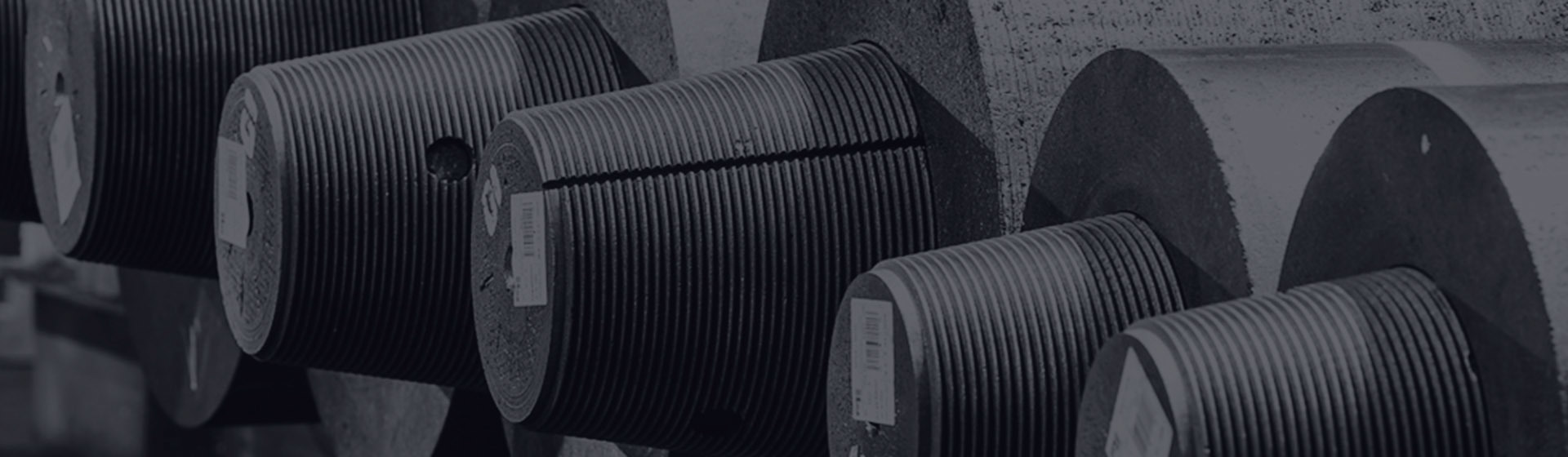
Electric Arc Furnaces (EAF) play a pivotal role in modern steelmaking, allowing for the recycling of scrap steel into high-quality products. At the heart of this process are **graphite electrodes**, which facilitate the electric arc that melts the scrap metal. Understanding the significance of these electrodes is crucial for industries that prioritize efficiency and sustainability in their operations.
Graphite electrodes are not just simple components; they are engineered materials that directly influence the performance of EAF systems. Their ability to withstand extreme temperatures and conduct electricity efficiently makes them indispensable in the metallurgical landscape.
Understanding the Role of Graphite Electrodes in EAFs
The Mechanism of EAF Operation
Electric Arc Furnaces function by creating an arc between the graphite electrodes and the scrap metal. This arc generates intense heat, melting the scrap and allowing for the purification of steel. The precision and quality of the graphite electrodes significantly impact the EAF’s operational efficiency.
Material Properties of Graphite Electrodes
Graphite electrodes are crafted from high-purity petroleum needle coke, which is crucial for achieving the desired mechanical and thermal properties. These electrodes must exhibit excellent electrical conductivity, high thermal resistance, and remarkable mechanical strength to endure the rigors of EAF operations.
The Importance of Precision in EAF Graphite Electrodes
Enhancing Operational Efficiency
The precision of graphite electrodes directly correlates with the efficiency of the melting process. High-quality electrodes minimize energy consumption by ensuring a consistent arc and optimal melting conditions. This leads to reduced operational costs and improved productivity.
Reducing Downtime and Maintenance Costs
Investing in precision-engineered EAF graphite electrodes can significantly reduce maintenance costs. Electrodes that are manufactured to exact specifications exhibit less wear and tear, decreasing the frequency of replacements and repairs. This reliability translates to lower downtime, allowing facilities to maximize their output.
Technological Advancements in Graphite Electrode Production
Innovative Manufacturing Techniques
Recent advancements in manufacturing processes have led to the development of high-performance graphite electrodes. Techniques such as **vibration molding** and **isostatic pressing** ensure that the electrodes maintain consistent density and structural integrity, resulting in enhanced performance in EAF applications.
Quality Control Measures
Stringent quality control measures are essential in the production of graphite electrodes. By utilizing advanced testing methods, manufacturers can ensure that their products meet international standards, providing end-users with confidence in their performance and reliability.
Cost-Effectiveness of EAF Graphite Electrodes
Long-Term Financial Benefits
While the initial investment in high-quality graphite electrodes may be higher, the long-term savings are substantial. Reduced energy consumption, lower maintenance costs, and increased operational efficiency contribute to a favorable return on investment.
Environmental Sustainability
Adopting EAF technology, coupled with superior graphite electrodes, supports sustainable practices in the metallurgical industry. By recycling scrap steel and minimizing waste, companies can significantly lower their carbon footprint and contribute to a greener future.
Case Studies: Successful Implementation of Precision Graphite Electrodes
Leading Industries Benefiting from EAF Technology
Several prominent metallurgical companies have successfully integrated precision graphite electrodes into their EAF operations. These case studies illustrate the tangible benefits of enhanced efficiency, cost savings, and improved product quality.
Performance Metrics and Outcomes
By analyzing performance metrics before and after implementing high-quality graphite electrodes, companies report significant improvements in melting times, energy consumption, and overall output quality.
Frequently Asked Questions (FAQs)
1. What are EAF graphite electrodes made of?
EAF graphite electrodes are primarily made from high-purity petroleum needle coke, which provides the necessary thermal and electrical properties for effective operation.
2. How do EAF graphite electrodes impact energy consumption?
High-quality graphite electrodes enable better electrical conductivity and optimize the melting process, leading to reduced energy consumption and lower operational costs.
3. What are the typical sizes of graphite electrodes used in EAFs?
Graphite electrodes vary in size, typically ranging from 75 mm to 700 mm in diameter, depending on the specific requirements of the EAF system.
4. How often do EAF graphite electrodes need to be replaced?
The lifespan of graphite electrodes depends on various factors, including operational conditions and the quality of the electrodes. However, regular maintenance and high-quality materials can extend their longevity.
5. What are the environmental benefits of using EAF technology?
EAF technology significantly reduces waste by recycling scrap steel, which lowers the carbon footprint and supports sustainable practices in metal production.
Conclusion
The integration of precision in EAF graphite electrodes is not merely a technical enhancement; it represents a paradigm shift in the metallurgical industry. By prioritizing quality and efficiency, businesses can unlock significant cost savings, reduce energy consumption, and contribute to environmental sustainability. As the demand for high-performance materials continues to grow, the role of precision-engineered graphite electrodes will undoubtedly become more critical, paving the way for a more efficient and sustainable future in steelmaking.
Investing in state-of-the-art EAF graphite electrodes is a strategic move that positions companies at the forefront of innovation in the metallurgy sector. Embracing these advancements will not only lead to operational excellence but also ensure a competitive edge in the ever-evolving market landscape.
Keywords:
More information