


Understanding Carbon Graphite Electrodes: Key Insights for the Metallurgical and Energy Industries
Release Time:
Aug 28,2024
Carbon graphite electrodes are essential components in various industrial applications, particularly in the metallurgical and energy sectors. Composed primarily of carbon, they are produced through a meticulous process that involves the transformation of petroleum coke and coal pitch into a highly conductive material. The unique properties of carbon graphite electrodes, such as their excellent ele

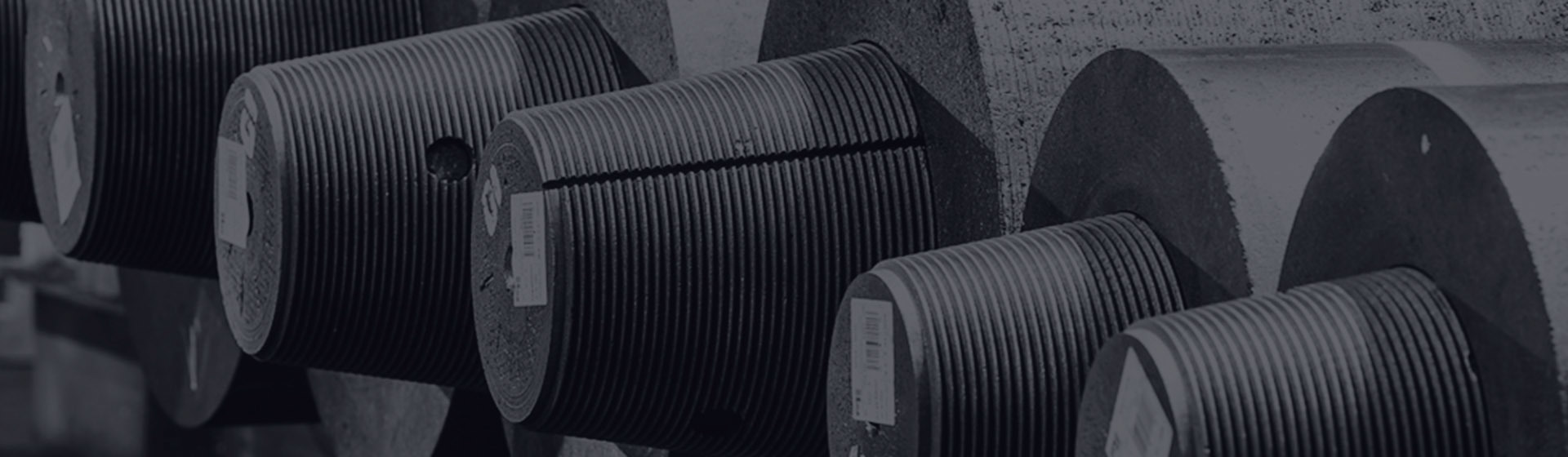
Carbon graphite electrodes are essential components in various industrial applications, particularly in the metallurgical and energy sectors. Composed primarily of carbon, they are produced through a meticulous process that involves the transformation of petroleum coke and coal pitch into a highly conductive material. The unique properties of carbon graphite electrodes, such as their excellent electrical conductivity, thermal stability, and mechanical strength, make them invaluable in several applications.
One of the primary uses of carbon graphite electrodes is in electric arc furnaces (EAFs), which are crucial for steel production. In these furnaces, the electrodes conduct electricity to generate heat, allowing for the melting of scrap steel and other materials. The efficiency and effectiveness of the EAF process heavily rely on the quality of the carbon graphite electrodes used. Higher quality electrodes lead to better energy efficiency, reduced operational costs, and improved overall performance of the furnace.
In addition to steel manufacturing, carbon graphite electrodes are also employed in the production of ferroalloys, aluminum, and other non-ferrous metals. Their ability to withstand high temperatures while maintaining structural integrity is vital in these high-demand applications. Moreover, as industries increasingly focus on sustainability, carbon graphite electrodes are becoming more important in recycling processes, enabling the efficient reuse of materials while minimizing waste.
Beyond metallurgy, the energy sector also benefits significantly from carbon graphite electrodes. They are utilized in various applications, including in the production of batteries, particularly lithium-ion batteries, which are crucial for electric vehicles and renewable energy storage systems. The conductive properties of carbon allow for efficient charge and discharge cycles, making them an integral part of modern energy solutions.
Furthermore, the production of carbon graphite electrodes is evolving with advancements in technology. New manufacturing techniques are being developed to enhance the performance and reduce the environmental impact of these products. This includes exploring innovative materials and processes that lead to higher purity levels and more sustainable practices.
In summary, carbon graphite electrodes play a critical role in the metallurgical and energy industries, influencing the efficiency and sustainability of various processes. Understanding their significance and applications is essential for professionals in these fields, as the demand for high-quality materials continues to rise. As industries strive for innovation and sustainability, the future of carbon graphite electrodes appears promising, offering exciting opportunities for advancements in manufacturing and application.
One of the primary uses of carbon graphite electrodes is in electric arc furnaces (EAFs), which are crucial for steel production. In these furnaces, the electrodes conduct electricity to generate heat, allowing for the melting of scrap steel and other materials. The efficiency and effectiveness of the EAF process heavily rely on the quality of the carbon graphite electrodes used. Higher quality electrodes lead to better energy efficiency, reduced operational costs, and improved overall performance of the furnace.
In addition to steel manufacturing, carbon graphite electrodes are also employed in the production of ferroalloys, aluminum, and other non-ferrous metals. Their ability to withstand high temperatures while maintaining structural integrity is vital in these high-demand applications. Moreover, as industries increasingly focus on sustainability, carbon graphite electrodes are becoming more important in recycling processes, enabling the efficient reuse of materials while minimizing waste.
Beyond metallurgy, the energy sector also benefits significantly from carbon graphite electrodes. They are utilized in various applications, including in the production of batteries, particularly lithium-ion batteries, which are crucial for electric vehicles and renewable energy storage systems. The conductive properties of carbon allow for efficient charge and discharge cycles, making them an integral part of modern energy solutions.
Furthermore, the production of carbon graphite electrodes is evolving with advancements in technology. New manufacturing techniques are being developed to enhance the performance and reduce the environmental impact of these products. This includes exploring innovative materials and processes that lead to higher purity levels and more sustainable practices.
In summary, carbon graphite electrodes play a critical role in the metallurgical and energy industries, influencing the efficiency and sustainability of various processes. Understanding their significance and applications is essential for professionals in these fields, as the demand for high-quality materials continues to rise. As industries strive for innovation and sustainability, the future of carbon graphite electrodes appears promising, offering exciting opportunities for advancements in manufacturing and application.
Keywords:
More information