


Understanding the Role of Graphite Electrodes in Electric Arc Furnaces: A Comprehensive Guide
Release Time:
Aug 31,2024
Understanding the Role of Graphite Electrodes in Electric Arc Furnaces Table of Contents Introduction to Graphite Electrodes What Are Graphite Electrodes? Composition of Graphite Electrodes The Manufacturing Process of Graphite Electrodes The Role of Graphite Electrodes in Electric Arc Furnaces Advantages of Using Graphite Electrodes Challenges in Graphite Electrode Us

Understanding the Role of Graphite Electrodes in Electric Arc Furnaces
Table of Contents
- Introduction to Graphite Electrodes
- What Are Graphite Electrodes?
- Composition of Graphite Electrodes
- The Manufacturing Process of Graphite Electrodes
- The Role of Graphite Electrodes in Electric Arc Furnaces
- Advantages of Using Graphite Electrodes
- Challenges in Graphite Electrode Usage
- The Future of Graphite Electrodes in Metallurgy
- Frequently Asked Questions (FAQs)
- Conclusion
Introduction to Graphite Electrodes
Graphite electrodes play a pivotal role in the operation of electric arc furnaces (EAFs), a crucial technology in the steelmaking and metallurgical industries. These electrodes serve as conductors, facilitating the flow of electrical current necessary to generate the intense heat required for melting scrap steel and other materials. In this article, we delve into the various aspects of graphite electrodes, from their composition and manufacturing to their applications and future developments.
What Are Graphite Electrodes?
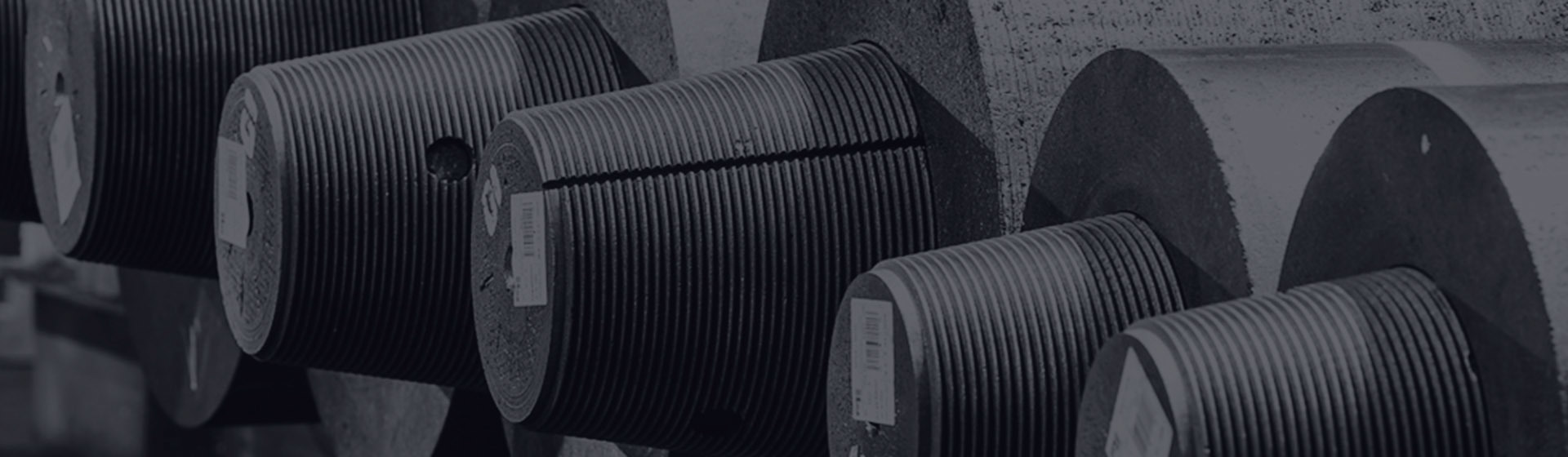
Graphite electrodes are cylindrical structures made primarily from graphite, a form of carbon known for its excellent electrical conductivity and thermal resistance. They come in various sizes and grades depending on the specific requirements of different industrial applications. In EAFs, these electrodes generate heat through an electric arc, which is created when a high-voltage current passes through the electrodes and the materials being processed.
The Importance of Graphite Electrodes in Modern Industry
The significance of graphite electrodes cannot be overstated, especially in an era where sustainable steel production methods are increasingly demanded. They provide an efficient means of recycling scrap steel, making them essential in promoting environmentally friendly practices in metallurgy.
Composition of Graphite Electrodes
The performance of graphite electrodes depends significantly on their composition. Typically, they consist of petroleum coke and pitch, which are carbon-rich materials. These components undergo several processes to enhance their properties.
Materials Used in Graphite Electrodes
1. **Petroleum Coke**: A byproduct of oil refining, petroleum coke provides the primary carbon content and structure.
2. **Coal Tar Pitch**: This binder holds the petroleum coke together, imparting mechanical strength and thermal stability.
3. **Graphite Powder**: Fine graphite powder may be added to enhance conductivity and improve the electrode's overall performance.
Grades of Graphite Electrodes
Graphite electrodes are classified into various grades based on their relative resistivity, mechanical strength, and thermal properties. The three primary grades include:
- **High-Quality Electrodes**: Used for high-current applications.
- **Regular Electrodes**: Suitable for standard EAF operations.
- **Low-Quality Electrodes**: Economically viable for less demanding applications.
The Manufacturing Process of Graphite Electrodes
The production of graphite electrodes involves several intricate stages that ensure they meet industry standards.
Step-by-Step Manufacturing Process
1. **Calcination**: Petroleum coke is heated to high temperatures, transforming it into a more porous and carbon-rich material.
2. **Mixing**: The calcined coke is mixed with coal tar pitch to form a paste.
3. **Extrusion**: This paste is then extruded into the desired cylindrical shapes.
4. **Baking**: The extruded shapes are baked in a furnace at high temperatures, converting them into solid carbon structures.
5. **Graphitization**: The baked electrodes undergo graphitization, where they are subjected to extremely high temperatures (around 3000°C) in an inert atmosphere, allowing the carbon to crystallize into high-quality graphite.
6. **Machining**: Finally, the electrodes are machined to precise dimensions and specifications.
The Role of Graphite Electrodes in Electric Arc Furnaces
In electric arc furnaces, graphite electrodes are essential for several reasons:
Heat Generation and Management
When an electrical current passes through the electrodes, it creates an electric arc that generates temperatures exceeding 3000°C. This extreme heat is crucial for melting steel scrap and other metallic materials efficiently.
Conductivity and Efficiency
Graphite is an excellent conductor of electricity, which allows for efficient energy transfer within the furnace. The design of the electrodes ensures minimal energy loss, thereby optimizing the melting process.
Flexibility in Operations
Electric arc furnaces equipped with graphite electrodes can easily adapt to different production requirements, whether recycling scrap steel or producing high-quality alloys.
Advantages of Using Graphite Electrodes
The use of graphite electrodes in electric arc furnaces presents several advantages:
Environmental Benefits
By facilitating the recycling of scrap metal, graphite electrodes contribute to reducing the carbon footprint associated with steel production.
Cost-Effectiveness
Graphite electrodes allow for efficient energy usage, reducing operational costs in the long run. Their durability also means less frequent replacements, further lowering expenses.
Improved Quality
The precision and control offered by electric arc furnaces using graphite electrodes lead to the production of superior quality steel with fewer impurities.
Challenges in Graphite Electrode Usage
Despite their advantages, the use of graphite electrodes in electric arc furnaces is not without challenges.
Supply Chain Vulnerabilities
The production of graphite electrodes relies heavily on the availability of quality raw materials, which can be subject to market fluctuations and geopolitical factors.
Environmental Concerns
Although they promote recycling, the manufacturing of graphite electrodes involves processes that can have environmental implications, such as greenhouse gas emissions associated with the calcination and baking stages.
Performance Limitations
In extremely high-temperature applications, some grades of graphite electrodes may exhibit performance limitations, necessitating ongoing research and development to enhance their properties.
The Future of Graphite Electrodes in Metallurgy
The future of graphite electrodes is promising, driven by advancements in technology and increasing demands for sustainable practices.
Innovative Manufacturing Techniques
Ongoing research is focused on developing new manufacturing techniques that can produce more efficient and environmentally friendly graphite electrodes.
Alternative Materials
There is ongoing exploration of alternative materials and composites that could offer enhanced performance and lower environmental impact compared to traditional graphite electrodes.
Market Trends
The rising demand for electric arc furnace steel production is expected to support growth in the graphite electrode market, leading to innovations and improved production processes.
Frequently Asked Questions (FAQs)
1. What is the primary function of graphite electrodes in electric arc furnaces?
Graphite electrodes conduct electricity and generate heat through an electric arc, facilitating the melting of scrap metal in electric arc furnaces.
2. Why are graphite electrodes preferred over other materials?
Graphite electrodes are preferred due to their excellent electrical conductivity, thermal resistance, and ability to withstand high temperatures.
3. How are graphite electrodes manufactured?
Graphite electrodes are produced through a series of steps, including calcination, mixing, extrusion, baking, graphitization, and machining.
4. What are the environmental implications of using graphite electrodes?
While graphite electrodes support recycling and reduce carbon emissions, their production can generate greenhouse gases, necessitating sustainable practices in manufacturing.
5. What is the future outlook for graphite electrodes in the steel industry?
The future for graphite electrodes looks promising, with innovations in manufacturing and increasing demand for sustainable steel production expected to drive growth.
Conclusion
Graphite electrodes are indispensable components in electric arc furnaces, playing a critical role in the steelmaking process. Their unique properties, combined with the advantages they bring to recycling and energy efficiency, make them vital in the metallurgical industry. As we look toward the future, ongoing advancements in technology and sustainability will further enhance the relevance of graphite electrodes, ensuring their place in a rapidly evolving industrial landscape. Understanding their role, benefits, and challenges is essential for stakeholders looking to optimize processes and contribute to a more sustainable future.
Keywords:
More information