


Unlocking the Potential of Artificial Graphite in Modern Metallurgy: A Comprehensive Analysis
Release Time:
Sep 04,2024
Unlocking the Potential of Artificial Graphite in Modern Metallurgy Table of Contents 1. Introduction to Artificial Graphite 2. The Composition and Properties of Artificial Graphite 3. Manufacturing Processes: How Artificial Graphite is Made 4. Applications of Artificial Graphite in Metallurgy 4.1 Role in Steelmaking 4.2 Use in Electrode Production 4.3 Enhancing Foundry Operations 5. Advantages of

Unlocking the Potential of Artificial Graphite in Modern Metallurgy
Table of Contents
1. Introduction to Artificial Graphite
2. The Composition and Properties of Artificial Graphite
3. Manufacturing Processes: How Artificial Graphite is Made
4. Applications of Artificial Graphite in Metallurgy
4.1 Role in Steelmaking
4.2 Use in Electrode Production
4.3 Enhancing Foundry Operations
5. Advantages of Using Artificial Graphite
6. Challenges and Considerations in Artificial Graphite Utilization
6.1 Environmental Impact
6.2 Economic Factors
7. The Future of Artificial Graphite in Metallurgical Advancements
8. Frequently Asked Questions (FAQs)
9. Conclusion
1. Introduction to Artificial Graphite
Artificial graphite, a synthetic form of carbon, has emerged as a pivotal component in modern metallurgy. This material is produced through the graphitization of carbon-rich precursors, offering distinct advantages that have captured the attention of metallurgical engineers and production specialists. As industries globally seek more efficient, durable, and sustainable materials, artificial graphite stands at the forefront, revolutionizing various metallurgical processes.
2. The Composition and Properties of Artificial Graphite
To understand the potential of artificial graphite, we must first examine its composition and properties. Artificial graphite predominantly consists of carbon, typically over 99%. The manufacturing process involves high-temperature treatment that converts carbon materials into a crystalline form, enhancing its electrical conductivity and thermal stability.
Properties such as low density, high thermal conductivity, and excellent chemical inertness make artificial graphite an ideal choice for a variety of metallurgical applications. Its structure allows for superior lubricating capabilities, making it essential in processes where heat and friction are prevalent.
3. Manufacturing Processes: How Artificial Graphite is Made
The production of artificial graphite involves several intricate steps:
1. **Raw Material Selection**: The first step is choosing carbon-rich materials, such as petroleum coke or coal tar pitch.
2. **Calcination**: The selected materials undergo calcination to remove volatile substances and increase carbon content.
3. **Formation**: The calcined material is then shaped into the desired form, often through extrusion or molding.
4. **Graphitization**: This critical phase requires heating the material to temperatures exceeding 3000 degrees Celsius. This process transforms the carbon structure, enhancing its properties.
5. **Finishing**: Finally, the artificial graphite undergoes various finishing processes, including crushing, milling, and surface treatment, to prepare it for industrial use.
4. Applications of Artificial Graphite in Metallurgy
Artificial graphite's unique properties lend it to a multitude of applications within the metallurgical domain.
4.1 Role in Steelmaking
In steelmaking, artificial graphite plays a critical role as a refractory material, lining furnaces and providing thermal insulation. Its high thermal stability enables steel producers to maintain consistent temperatures during the smelting process, ultimately leading to better quality steel.
4.2 Use in Electrode Production
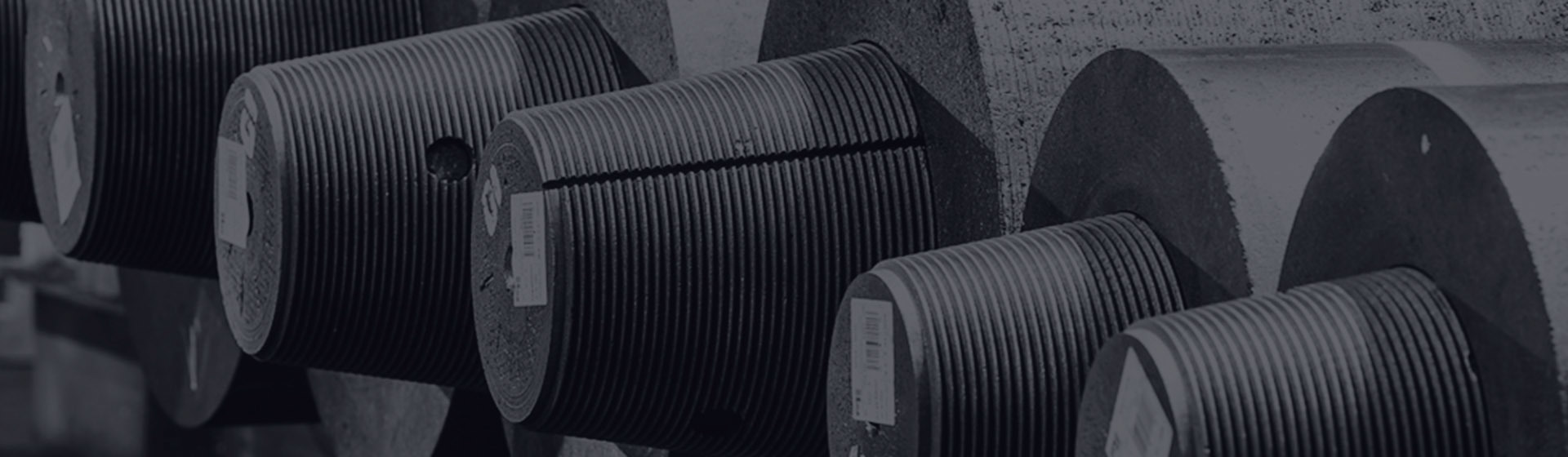
One of the most significant applications of artificial graphite is in the production of electrodes. The electrical conductivity and thermal properties of artificial graphite make it an ideal material for manufacturing electrodes used in electric arc furnaces. These electrodes are vital for the efficient melting of scrap steel and other metals.
4.3 Enhancing Foundry Operations
Artificial graphite is also utilized in foundry operations, where it serves as a mold release agent and provides lubrication. Its ability to reduce friction and wear enhances the quality of castings while improving overall production efficiency.
5. Advantages of Using Artificial Graphite
The advantages of artificial graphite contribute significantly to its growing popularity in metallurgy:
1. **Enhanced Performance**: Artificial graphite exhibits superior thermal and electrical conductivity compared to natural graphite, enabling more efficient operations.
2. **Consistency and Purity**: The controlled manufacturing processes ensure high purity levels and uniformity, resulting in reliable performance.
3. **Cost-Effectiveness**: The ability to produce artificial graphite in large quantities lowers costs, making it an economically viable choice for many metallurgical applications.
4. **Sustainability**: As industries shift towards more sustainable practices, artificial graphite offers a more controllable and lower-impact alternative compared to natural graphite, which often involves environmentally damaging mining processes.
6. Challenges and Considerations in Artificial Graphite Utilization
Despite its numerous benefits, the use of artificial graphite does come with challenges that must be managed effectively.
6.1 Environmental Impact
While artificial graphite production is more environmentally friendly than natural graphite mining, it still raises concerns. The high energy consumption during the graphitization process contributes to greenhouse gas emissions, necessitating the development of greener production methods.
6.2 Economic Factors
The initial costs involved in setting up artificial graphite production facilities can be high. Companies must weigh these initial investments against the long-term benefits to ensure sustainable profitability.
7. The Future of Artificial Graphite in Metallurgical Advancements
The future of artificial graphite in metallurgy looks promising, with continuous innovations and advancements on the horizon. Research and development efforts are underway to improve production methods and enhance the material's properties further. This includes exploring the potential of artificial graphite in emerging technologies such as battery manufacturing and renewable energy applications, significantly broadening its applicability beyond traditional metallurgical uses.
As industries strive for greater efficiency and sustainability, artificial graphite will likely become a cornerstone material in the quest for innovative solutions to modern metallurgical challenges.
8. Frequently Asked Questions (FAQs)
What distinguishes artificial graphite from natural graphite?
Artificial graphite is synthetically produced and offers higher purity and uniformity compared to natural graphite, which is mined and can contain various impurities.
What applications benefit most from artificial graphite?
Artificial graphite is predominantly used in steelmaking, electrode production, and foundry operations, leveraging its excellent thermal and electrical properties.
Is artificial graphite environmentally friendly?
While artificial graphite production is less harmful than natural mining, it does involve energy-intensive processes that can contribute to environmental concerns. Ongoing research aims to mitigate these impacts.
Can artificial graphite be recycled?
Yes, artificial graphite can be recycled and repurposed, particularly in applications related to electrode production. However, the recycling process must be managed carefully to maintain material quality.
What is the future outlook for artificial graphite in metallurgy?
The future of artificial graphite in metallurgy is bright, with ongoing innovations aimed at improving its properties and expanding its applications across various traditional and emerging industries.
9. Conclusion
In summary, artificial graphite is unlocking significant potential in modern metallurgy. Its unique properties, diverse applications, and advantages over natural alternatives render it a crucial material for the industry. As we navigate the challenges and explore new frontiers, artificial graphite will undoubtedly play a transformative role, driving advancements in metallurgy and beyond. With continued research and development, we can expect this material to help shape a more sustainable and efficient future in various industrial applications.
Keywords:
More information