


Understanding High Power Graphite Electrodes: Key Components in Metallurgical Processes
Release Time:
Oct 18,2024
High power graphite electrodes are essential components in the steelmaking process, particularly in electric arc furnaces (EAF). These electrodes are designed to withstand extreme temperatures and electrical currents, enabling them to efficiently conduct electricity during the smelting of metals. The high conductivity and thermal resistance of graphite make it the preferred material for these appl

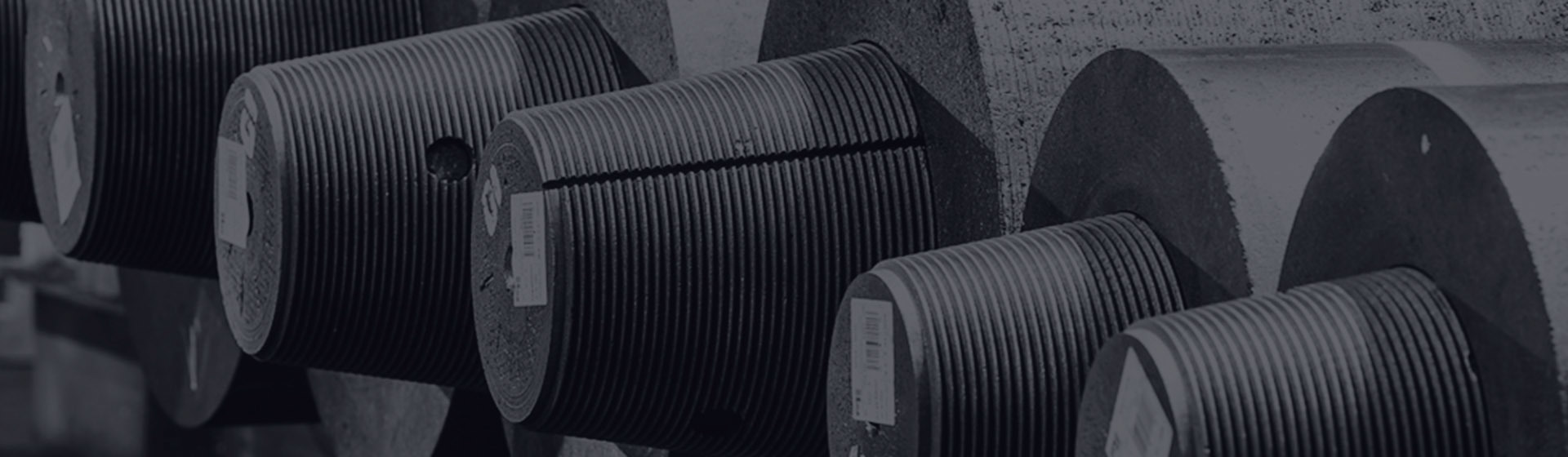
High power graphite electrodes are essential components in the steelmaking process, particularly in electric arc furnaces (EAF). These electrodes are designed to withstand extreme temperatures and electrical currents, enabling them to efficiently conduct electricity during the smelting of metals. The high conductivity and thermal resistance of graphite make it the preferred material for these applications, as it enhances the efficiency of the melting process while minimizing energy losses.
The manufacturing of high power graphite electrodes involves several key steps. First, petroleum pitch and various forms of carbon are combined and heated to form a paste. This paste is then extruded into cylindrical shapes, which are subsequently baked at high temperatures to remove any volatile components. The resulting material is then subjected to graphitization, a process that further enhances the electrical and thermal properties of the graphite. Finally, the electrodes are machined to precise specifications to ensure optimal performance in industrial applications.
One of the primary advantages of high power graphite electrodes is their ability to operate under high current loads. This characteristic makes them particularly suitable for melting scrap steel and other ferrous alloys, as they can generate sufficient heat to achieve the required melting temperatures. Additionally, these electrodes exhibit excellent resistance to oxidation and thermal shock, contributing to their longevity and reducing the need for frequent replacements.
Beyond steel production, high power graphite electrodes are also utilized in other metallurgical processes, including the production of ferroalloys and non-ferrous metals. Their versatility extends to applications in the production of silicon metal, where they are employed in submerged arc furnaces. The efficiency and reliability of these electrodes make them indispensable in modern metallurgical operations.
Moreover, the ongoing advancements in the production techniques of high power graphite electrodes have led to improved performance characteristics. Manufacturers are continually exploring innovative materials and processes to enhance the strength and thermal conductivity of these electrodes, thus meeting the ever-evolving demands of the metallurgical industry.
In conclusion, high power graphite electrodes are a vital component in the metallurgy sector, facilitating efficient and effective metal production. Their unique properties, such as high electrical conductivity and thermal resistance, position them as a critical resource for steelmakers and other metallurgical applications. As the industry continues to grow and innovate, the importance of these electrodes will only increase, making them an area of significant interest within the non-metallic minerals sector.
The manufacturing of high power graphite electrodes involves several key steps. First, petroleum pitch and various forms of carbon are combined and heated to form a paste. This paste is then extruded into cylindrical shapes, which are subsequently baked at high temperatures to remove any volatile components. The resulting material is then subjected to graphitization, a process that further enhances the electrical and thermal properties of the graphite. Finally, the electrodes are machined to precise specifications to ensure optimal performance in industrial applications.
One of the primary advantages of high power graphite electrodes is their ability to operate under high current loads. This characteristic makes them particularly suitable for melting scrap steel and other ferrous alloys, as they can generate sufficient heat to achieve the required melting temperatures. Additionally, these electrodes exhibit excellent resistance to oxidation and thermal shock, contributing to their longevity and reducing the need for frequent replacements.
Beyond steel production, high power graphite electrodes are also utilized in other metallurgical processes, including the production of ferroalloys and non-ferrous metals. Their versatility extends to applications in the production of silicon metal, where they are employed in submerged arc furnaces. The efficiency and reliability of these electrodes make them indispensable in modern metallurgical operations.
Moreover, the ongoing advancements in the production techniques of high power graphite electrodes have led to improved performance characteristics. Manufacturers are continually exploring innovative materials and processes to enhance the strength and thermal conductivity of these electrodes, thus meeting the ever-evolving demands of the metallurgical industry.
In conclusion, high power graphite electrodes are a vital component in the metallurgy sector, facilitating efficient and effective metal production. Their unique properties, such as high electrical conductivity and thermal resistance, position them as a critical resource for steelmakers and other metallurgical applications. As the industry continues to grow and innovate, the importance of these electrodes will only increase, making them an area of significant interest within the non-metallic minerals sector.
Keywords:
More information