



Understanding Graphitized Petroleum Coke: A Key Element in Metallurgy and Energy Production
Release Time:
Oct 30,2024
Graphitized petroleum coke (GPC) is a high-purity carbon material derived from petroleum asphaltenes and is produced through a process of thermal treatment. This material has been increasingly recognized for its unique properties, making it indispensable in several industrial applications, particularly in metallurgy and energy. One of the standout features of GPC is its exceptional electrical con

Graphitized petroleum coke (GPC) is a high-purity carbon material derived from petroleum asphaltenes and is produced through a process of thermal treatment. This material has been increasingly recognized for its unique properties, making it indispensable in several industrial applications, particularly in metallurgy and energy.
One of the standout features of GPC is its exceptional electrical conductivity, making it a preferred choice in the production of electrodes used in electric arc furnaces. These electrodes are crucial for steelmaking processes, where high temperatures are required to melt scrap steel and produce high-quality steel. The stability and conductivity of graphitized petroleum coke contribute significantly to the efficiency and effectiveness of these operations.
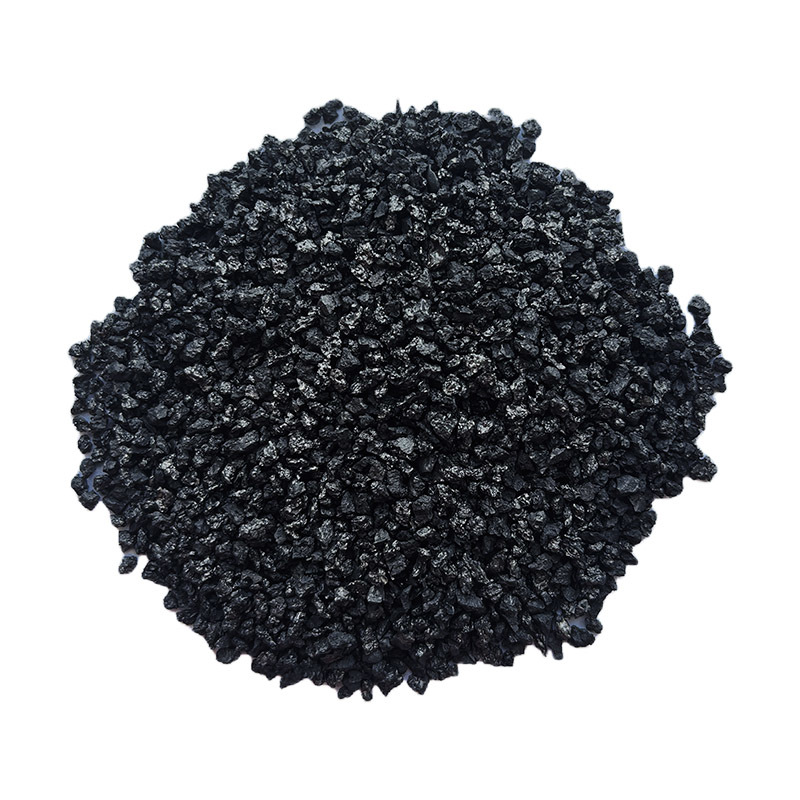
In addition to its role in metallurgy, GPC is also utilized as a carbon additive in the production of cast iron and steel. By enhancing the carbon content in these metals, GPC helps improve their mechanical properties, such as strength and hardness. This is particularly important in industries where high-performance materials are required, such as automotive and aerospace.
Another significant application of graphitized petroleum coke is in the production of battery materials. With the growing demand for batteries in electric vehicles and renewable energy storage, GPC's properties make it a suitable candidate for anode materials in lithium-ion batteries. The high purity and low ash content of GPC facilitate improved battery performance, contributing to longer life cycles and higher energy efficiencies.
Moreover, GPC is also employed in the manufacturing of carbon brushes, which are essential components in electric motors and generators. The unique properties of graphitized petroleum coke allow for high wear resistance and conductivity, which are crucial for the longevity and efficiency of these electrical components.
When sourcing graphitized petroleum coke, industry professionals must consider factors such as quality, particle size distribution, and supplier reliability. Ensuring that the GPC meets specific industry standards can significantly impact the performance and quality of the end products.
In summary, graphitized petroleum coke plays a vital role in various industrial sectors, especially in metallurgy and energy production. Its unique properties enhance the performance of steelmaking processes, improve the quality of cast iron and steel, and support advancements in battery technology. As industries continue to evolve towards more sustainable and efficient methods, the significance of GPC is expected to grow, making it a crucial material for professionals in the metallurgical and energy fields.
Keywords:
More information