


Understanding Carbon Graphite Electrodes: Essential Insights for the Metallurgical Industry
Release Time:
Nov 17,2024
Carbon graphite electrodes (CGEs) are critical components in the metallurgical industry, particularly in the production of steel and other metals. These electrodes serve as conductors of electricity in electric arc furnaces (EAFs), facilitating the melting and refining processes of various materials. The unique properties of carbon graphite, such as high thermal conductivity, low electrical resist

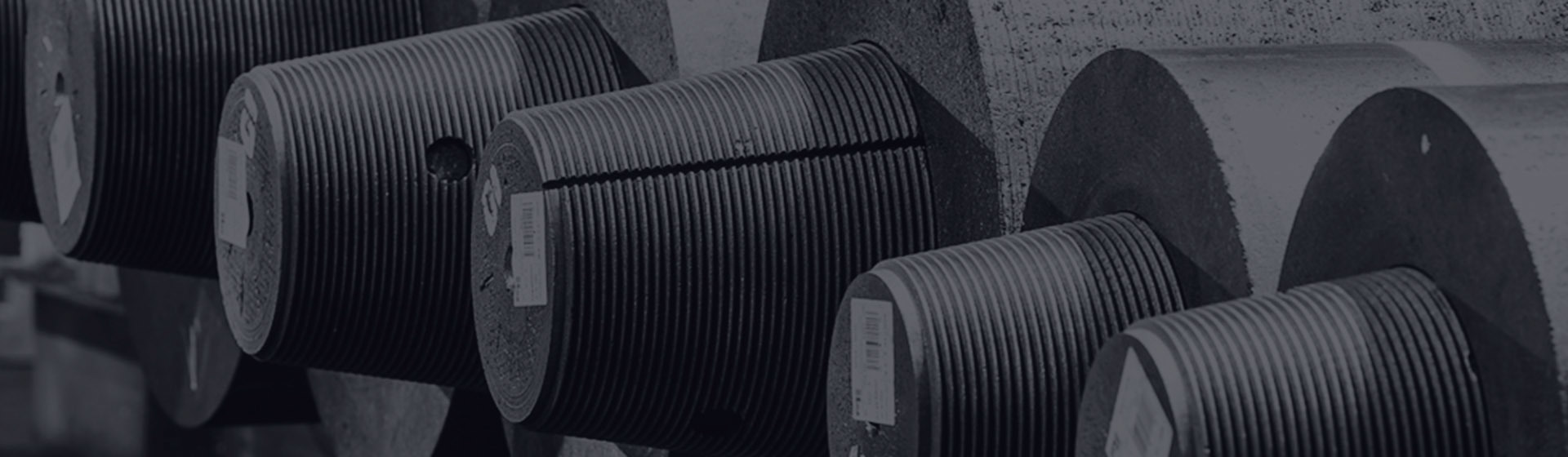
Carbon graphite electrodes (CGEs) are critical components in the metallurgical industry, particularly in the production of steel and other metals. These electrodes serve as conductors of electricity in electric arc furnaces (EAFs), facilitating the melting and refining processes of various materials. The unique properties of carbon graphite, such as high thermal conductivity, low electrical resistance, and excellent mechanical strength, make these electrodes indispensable for efficient operations in metallurgical applications.
One of the primary functions of carbon graphite electrodes is their role in the electric arc furnace. The EAF uses these electrodes to generate an arc of electricity that melts scrap metal and other raw materials. The intense heat produced by the electric arc allows for the efficient melting of metals, which is crucial for steelmaking and recycling processes. This method is not only energy-efficient but also environmentally friendly compared to traditional blast furnace methods.
The production of carbon graphite electrodes involves a complex process that includes the selection of high-quality raw materials and meticulous manufacturing techniques. The raw materials typically include petroleum coke and pitch, which are carbon-rich and provide the necessary properties for effective electrode performance. After mixing, molding, and baking, the electrodes undergo graphitization, a process that enhances their conductive properties and thermal stability. This attention to detail in the production process ensures that the final product meets the stringent requirements of the metallurgical industry.
Carbon graphite electrodes are also known for their durability and longevity. They can withstand extreme temperatures and heavy mechanical stress, making them suitable for continuous operations in industrial settings. Moreover, they can be customized to meet specific needs, such as varying sizes and grades, which allows manufacturers to optimize their production processes based on operational requirements.
In addition to their primary use in steelmaking, carbon graphite electrodes are also employed in other applications, including the production of ferroalloys and non-ferrous metals. Their versatility makes them a valuable asset in various sectors of the metallurgical industry. Furthermore, as industries continue to focus on sustainability, carbon graphite electrodes are increasingly recognized for their lower carbon footprint compared to traditional materials, aligning with global trends toward greener production methods.
In conclusion, carbon graphite electrodes play a pivotal role in the metallurgical industry by enabling efficient melting and refining processes. Their excellent thermal and electrical properties, coupled with durability, make them essential for modern manufacturing techniques. Understanding the importance and functionality of these electrodes can provide businesses with the knowledge necessary to optimize their operations and contribute to sustainable practices in metal production.
One of the primary functions of carbon graphite electrodes is their role in the electric arc furnace. The EAF uses these electrodes to generate an arc of electricity that melts scrap metal and other raw materials. The intense heat produced by the electric arc allows for the efficient melting of metals, which is crucial for steelmaking and recycling processes. This method is not only energy-efficient but also environmentally friendly compared to traditional blast furnace methods.
The production of carbon graphite electrodes involves a complex process that includes the selection of high-quality raw materials and meticulous manufacturing techniques. The raw materials typically include petroleum coke and pitch, which are carbon-rich and provide the necessary properties for effective electrode performance. After mixing, molding, and baking, the electrodes undergo graphitization, a process that enhances their conductive properties and thermal stability. This attention to detail in the production process ensures that the final product meets the stringent requirements of the metallurgical industry.
Carbon graphite electrodes are also known for their durability and longevity. They can withstand extreme temperatures and heavy mechanical stress, making them suitable for continuous operations in industrial settings. Moreover, they can be customized to meet specific needs, such as varying sizes and grades, which allows manufacturers to optimize their production processes based on operational requirements.
In addition to their primary use in steelmaking, carbon graphite electrodes are also employed in other applications, including the production of ferroalloys and non-ferrous metals. Their versatility makes them a valuable asset in various sectors of the metallurgical industry. Furthermore, as industries continue to focus on sustainability, carbon graphite electrodes are increasingly recognized for their lower carbon footprint compared to traditional materials, aligning with global trends toward greener production methods.
In conclusion, carbon graphite electrodes play a pivotal role in the metallurgical industry by enabling efficient melting and refining processes. Their excellent thermal and electrical properties, coupled with durability, make them essential for modern manufacturing techniques. Understanding the importance and functionality of these electrodes can provide businesses with the knowledge necessary to optimize their operations and contribute to sustainable practices in metal production.
Keywords:
More information