


Understanding High Power Graphite Electrodes: Applications and Benefits in Metallurgy
Release Time:
Jan 20,2025
High Power Graphite Electrodes (HPGE) are essential components in the metallurgical industry, particularly in electric arc furnaces (EAF). These electrodes are engineered to withstand high electrical currents and extreme temperatures, making them ideal for melting and refining metals. The unique properties of graphite, such as excellent thermal and electrical conductivity, low thermal expansion, a

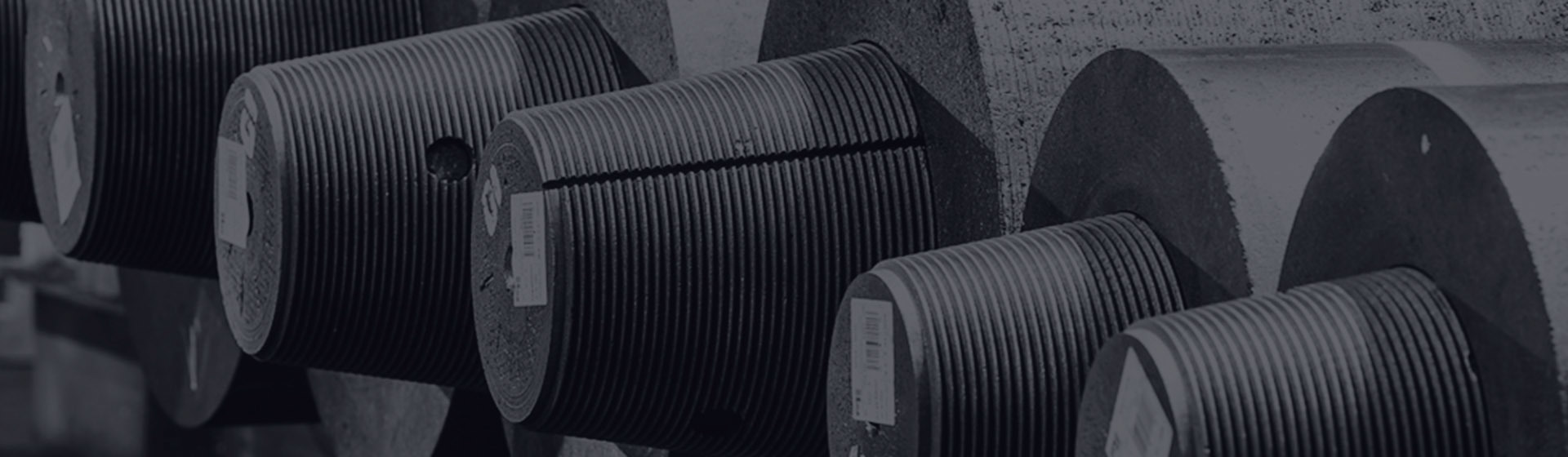
High Power Graphite Electrodes (HPGE) are essential components in the metallurgical industry, particularly in electric arc furnaces (EAF). These electrodes are engineered to withstand high electrical currents and extreme temperatures, making them ideal for melting and refining metals. The unique properties of graphite, such as excellent thermal and electrical conductivity, low thermal expansion, and resistance to thermal shock, contribute significantly to the efficiency of metallurgical processes.
One of the primary applications of High Power Graphite Electrodes is in the steelmaking industry. In EAFs, these electrodes facilitate the electric arc that melts scrap steel and other materials. The high power rating allows for more efficient melting, leading to reduced energy consumption and shorter processing times. As a result, manufacturers can produce high-quality steel with lower operational costs.
Moreover, High Power Graphite Electrodes play a crucial role in the production of other metals, including aluminum and copper. The technology used in these electrodes has evolved over the years, with advancements resulting in products that can handle even higher power ratings. This innovation not only improves the melting process but also enhances the lifespan of the electrodes, reducing the frequency of replacements and maintenance.
The environmental benefits of using High Power Graphite Electrodes should not be overlooked. By enabling more efficient melting processes, these electrodes contribute to lower carbon emissions associated with metal production. The ability to recycle scrap metal in EAFs further supports sustainability in metallurgy, as it minimizes the need for virgin ore extraction.
Additionally, the selection of the appropriate grade of graphite for electrode manufacturing is critical. Factors such as the electrical conductivity, mechanical strength, and thermal properties must be considered to ensure optimal performance in demanding industrial environments. Manufacturers often customize electrodes to meet specific operational requirements, ensuring that their performance aligns with the desired output.
In summary, High Power Graphite Electrodes are indispensable in the metallurgy sector, providing a reliable solution for metal production while supporting energy efficiency and sustainability. Understanding their applications and benefits can help industry professionals make informed decisions about electrode selection and usage, ultimately leading to improved operational performance and reduced environmental impact. As the industry continues to evolve, the role of High Power Graphite Electrodes will remain pivotal in driving innovations and efficiencies in metallurgy.
One of the primary applications of High Power Graphite Electrodes is in the steelmaking industry. In EAFs, these electrodes facilitate the electric arc that melts scrap steel and other materials. The high power rating allows for more efficient melting, leading to reduced energy consumption and shorter processing times. As a result, manufacturers can produce high-quality steel with lower operational costs.
Moreover, High Power Graphite Electrodes play a crucial role in the production of other metals, including aluminum and copper. The technology used in these electrodes has evolved over the years, with advancements resulting in products that can handle even higher power ratings. This innovation not only improves the melting process but also enhances the lifespan of the electrodes, reducing the frequency of replacements and maintenance.
The environmental benefits of using High Power Graphite Electrodes should not be overlooked. By enabling more efficient melting processes, these electrodes contribute to lower carbon emissions associated with metal production. The ability to recycle scrap metal in EAFs further supports sustainability in metallurgy, as it minimizes the need for virgin ore extraction.
Additionally, the selection of the appropriate grade of graphite for electrode manufacturing is critical. Factors such as the electrical conductivity, mechanical strength, and thermal properties must be considered to ensure optimal performance in demanding industrial environments. Manufacturers often customize electrodes to meet specific operational requirements, ensuring that their performance aligns with the desired output.
In summary, High Power Graphite Electrodes are indispensable in the metallurgy sector, providing a reliable solution for metal production while supporting energy efficiency and sustainability. Understanding their applications and benefits can help industry professionals make informed decisions about electrode selection and usage, ultimately leading to improved operational performance and reduced environmental impact. As the industry continues to evolve, the role of High Power Graphite Electrodes will remain pivotal in driving innovations and efficiencies in metallurgy.
Keywords:
More information