


Understanding RP Graphite Electrodes: A Key Component in Metallurgical Applications
Release Time:
Feb 19,2025
RP Graphite Electrodes play a crucial role in the metallurgical and energy sectors, particularly in the production of steel and the operation of electric arc furnaces (EAFs). These electrodes are made from high-quality graphite and are designed to withstand extreme temperatures, making them ideal for a variety of applications in the non-metallic mineral industry. One of the primary functions of R

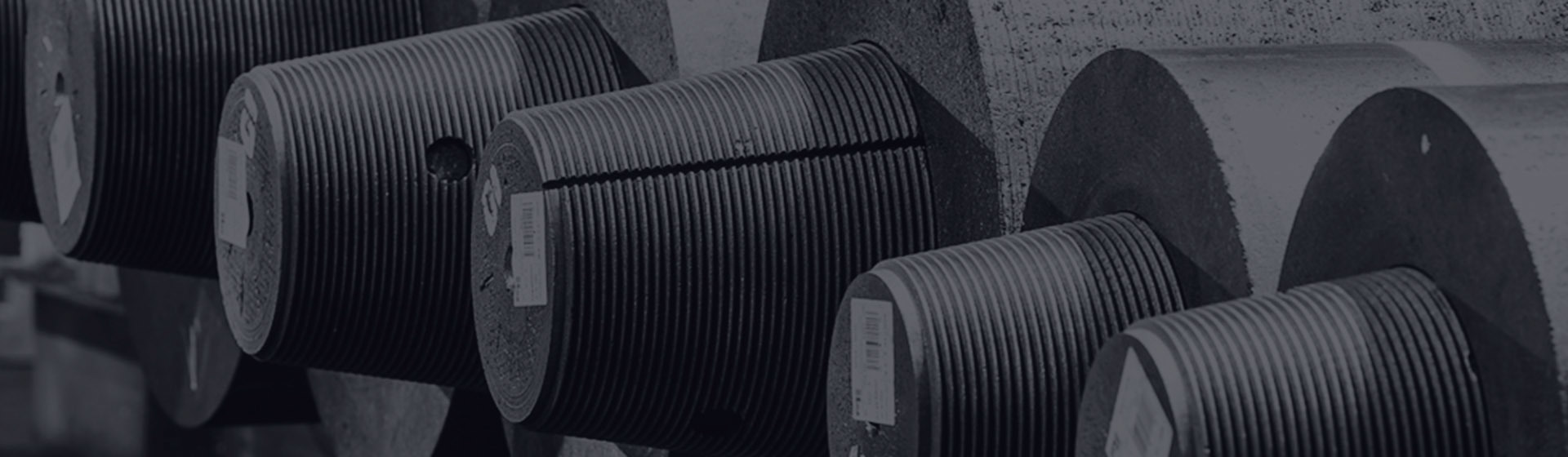
RP Graphite Electrodes play a crucial role in the metallurgical and energy sectors, particularly in the production of steel and the operation of electric arc furnaces (EAFs). These electrodes are made from high-quality graphite and are designed to withstand extreme temperatures, making them ideal for a variety of applications in the non-metallic mineral industry.
One of the primary functions of RP Graphite Electrodes is to conduct electricity, which is essential for melting scrap metal in EAFs. When electric current is passed through the electrodes, it generates heat through resistance, enabling the melting process. The efficiency of this process is significantly influenced by the quality of the electrodes used. High-quality RP Graphite Electrodes can improve energy efficiency and reduce overall operational costs.
In addition to their electrical conductivity, RP Graphite Electrodes are known for their thermal stability and mechanical strength. These properties are critical in environments where the electrodes are subjected to continuous thermal cycling and mechanical stress. The ability to maintain structural integrity under such conditions ensures consistent performance and longevity, reducing the need for frequent replacements.
Another aspect to consider is the environmental impact of using RP Graphite Electrodes. As the metallurgical industry increasingly focuses on sustainability, the choice of electrode material can influence the overall carbon footprint of the production process. High-quality electrodes tend to produce less smoke and emissions during operation, contributing to cleaner production practices.
It is also worth noting that RP Graphite Electrodes come in various sizes and specifications to meet the diverse needs of different applications. The selection of the appropriate electrode size is critical to optimizing performance in specific industrial settings. Factors such as furnace size, power requirements, and production goals should be carefully considered when choosing the right electrodes.
Furthermore, the manufacturing process of RP Graphite Electrodes involves several steps, including the selection of raw materials, mixing, forming, and baking. Each of these steps requires precision and quality control to ensure that the final product meets the high standards demanded by the industry.
In summary, RP Graphite Electrodes are indispensable in the metallurgical industry, providing essential functions that enhance the efficiency and sustainability of production processes. By understanding the properties and applications of these electrodes, industry professionals can make informed decisions that contribute to the success and environmental responsibility of their operations. Whether you are involved in steel production or other metallurgical processes, recognizing the importance of RP Graphite Electrodes can lead to optimized performance and improved outcomes.
One of the primary functions of RP Graphite Electrodes is to conduct electricity, which is essential for melting scrap metal in EAFs. When electric current is passed through the electrodes, it generates heat through resistance, enabling the melting process. The efficiency of this process is significantly influenced by the quality of the electrodes used. High-quality RP Graphite Electrodes can improve energy efficiency and reduce overall operational costs.
In addition to their electrical conductivity, RP Graphite Electrodes are known for their thermal stability and mechanical strength. These properties are critical in environments where the electrodes are subjected to continuous thermal cycling and mechanical stress. The ability to maintain structural integrity under such conditions ensures consistent performance and longevity, reducing the need for frequent replacements.
Another aspect to consider is the environmental impact of using RP Graphite Electrodes. As the metallurgical industry increasingly focuses on sustainability, the choice of electrode material can influence the overall carbon footprint of the production process. High-quality electrodes tend to produce less smoke and emissions during operation, contributing to cleaner production practices.
It is also worth noting that RP Graphite Electrodes come in various sizes and specifications to meet the diverse needs of different applications. The selection of the appropriate electrode size is critical to optimizing performance in specific industrial settings. Factors such as furnace size, power requirements, and production goals should be carefully considered when choosing the right electrodes.
Furthermore, the manufacturing process of RP Graphite Electrodes involves several steps, including the selection of raw materials, mixing, forming, and baking. Each of these steps requires precision and quality control to ensure that the final product meets the high standards demanded by the industry.
In summary, RP Graphite Electrodes are indispensable in the metallurgical industry, providing essential functions that enhance the efficiency and sustainability of production processes. By understanding the properties and applications of these electrodes, industry professionals can make informed decisions that contribute to the success and environmental responsibility of their operations. Whether you are involved in steel production or other metallurgical processes, recognizing the importance of RP Graphite Electrodes can lead to optimized performance and improved outcomes.
Keywords:
More information