


Maximizing Efficiency with High Power Graphite Electrodes in Metallurgy
Release Time:
Mar 03,2025
High power graphite electrodes are a critical component in various metallurgical applications, particularly in electric arc furnaces (EAF) used for steelmaking. These electrodes are designed to withstand extreme temperatures and electrical currents, making them essential for efficient metal production. Their unique properties, such as high thermal conductivity and resistance to thermal shock, allo

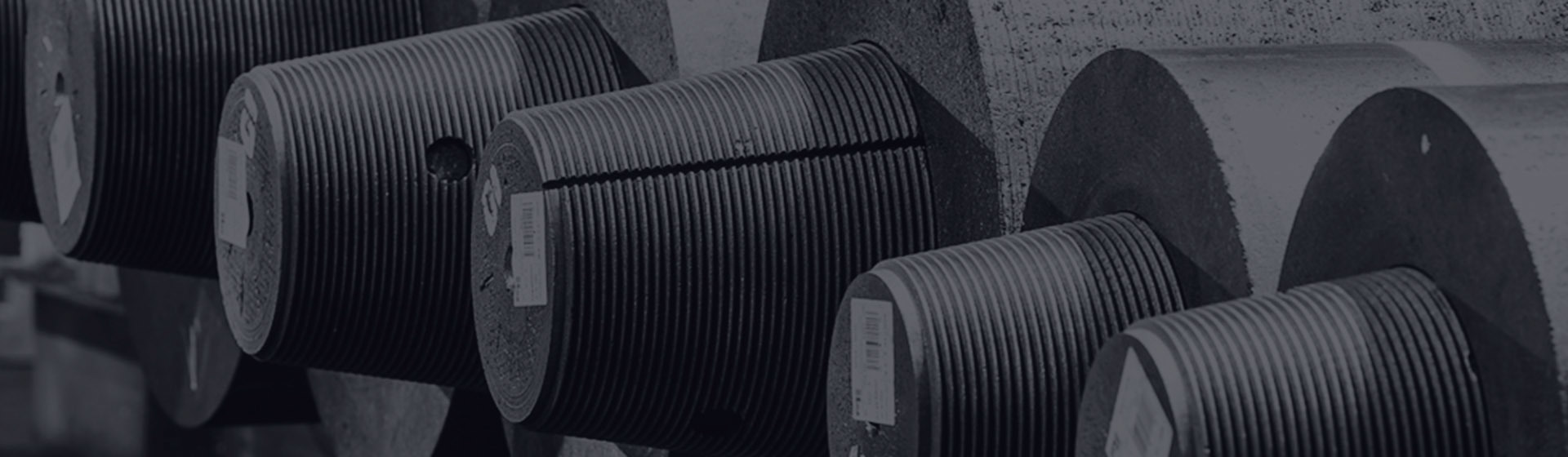
High power graphite electrodes are a critical component in various metallurgical applications, particularly in electric arc furnaces (EAF) used for steelmaking. These electrodes are designed to withstand extreme temperatures and electrical currents, making them essential for efficient metal production. Their unique properties, such as high thermal conductivity and resistance to thermal shock, allow for optimal performance in demanding environments.
One of the primary advantages of high power graphite electrodes is their ability to facilitate efficient electrical conductivity. This property is crucial in EAF processes, where the conversion of scrap metal into molten steel requires consistent and reliable electrical flow. The high power rating of these electrodes means they can handle increased current loads, resulting in faster melting times and improved energy efficiency. This not only enhances productivity but also contributes to decreased operational costs, which is essential for competitiveness in the metallurgy sector.
In addition to their electrical performance, high power graphite electrodes also play a significant role in improving the quality of the final steel product. The use of high-quality electrodes minimizes impurities and allows for better control over the melting process, resulting in higher-grade steel with fewer defects. This is particularly important as industries increasingly demand materials that meet stringent standards for strength and durability.
The technology behind high power graphite electrodes has seen significant advancements in recent years. Innovations in manufacturing processes have led to the development of electrodes that offer improved mechanical properties and greater resistance to wear. For instance, the use of advanced materials and better processing techniques has resulted in electrodes that can withstand prolonged use in the high-stress environments of electric arc furnaces. These advancements not only enhance the longevity of the electrodes but also reduce the frequency of replacement, further driving down costs.
Moreover, environmental considerations have led to increased interest in the sustainability of high power graphite electrodes. Manufacturers are now exploring ways to produce these electrodes using more eco-friendly practices, including the sourcing of raw materials and reducing waste during production. This shift towards sustainability aligns with global efforts to minimize the environmental impact of industrial processes.
In conclusion, high power graphite electrodes are indispensable in the metallurgy industry, significantly influencing efficiency, product quality, and sustainability. As technology continues to evolve, industry professionals must stay informed about the latest developments to leverage these advancements for enhanced operational success. Understanding the role and benefits of high power graphite electrodes can lead to more informed decision-making and improved outcomes in metallurgical processes.
One of the primary advantages of high power graphite electrodes is their ability to facilitate efficient electrical conductivity. This property is crucial in EAF processes, where the conversion of scrap metal into molten steel requires consistent and reliable electrical flow. The high power rating of these electrodes means they can handle increased current loads, resulting in faster melting times and improved energy efficiency. This not only enhances productivity but also contributes to decreased operational costs, which is essential for competitiveness in the metallurgy sector.
In addition to their electrical performance, high power graphite electrodes also play a significant role in improving the quality of the final steel product. The use of high-quality electrodes minimizes impurities and allows for better control over the melting process, resulting in higher-grade steel with fewer defects. This is particularly important as industries increasingly demand materials that meet stringent standards for strength and durability.
The technology behind high power graphite electrodes has seen significant advancements in recent years. Innovations in manufacturing processes have led to the development of electrodes that offer improved mechanical properties and greater resistance to wear. For instance, the use of advanced materials and better processing techniques has resulted in electrodes that can withstand prolonged use in the high-stress environments of electric arc furnaces. These advancements not only enhance the longevity of the electrodes but also reduce the frequency of replacement, further driving down costs.
Moreover, environmental considerations have led to increased interest in the sustainability of high power graphite electrodes. Manufacturers are now exploring ways to produce these electrodes using more eco-friendly practices, including the sourcing of raw materials and reducing waste during production. This shift towards sustainability aligns with global efforts to minimize the environmental impact of industrial processes.
In conclusion, high power graphite electrodes are indispensable in the metallurgy industry, significantly influencing efficiency, product quality, and sustainability. As technology continues to evolve, industry professionals must stay informed about the latest developments to leverage these advancements for enhanced operational success. Understanding the role and benefits of high power graphite electrodes can lead to more informed decision-making and improved outcomes in metallurgical processes.
Keywords:
More information