


Exploring the Role of Graphite Electrode in Carbon Products: A Comprehensive Analysis
Release Time:
Mar 12,2025
Exploring the Role of Graphite Electrode in Carbon Products: A Comprehensive Analysis Table of Contents Introduction to Graphite Electrodes What Are Graphite Electrodes? Manufacturing Process of Graphite Electrodes Characteristics and Properties of Graphite Electrodes Applications of Graphite Electrodes in Metallurgy Graphite Electrodes in the Energy Sector Benefits of

Exploring the Role of Graphite Electrode in Carbon Products: A Comprehensive Analysis
Table of Contents
- Introduction to Graphite Electrodes
- What Are Graphite Electrodes?
- Manufacturing Process of Graphite Electrodes
- Characteristics and Properties of Graphite Electrodes
- Applications of Graphite Electrodes in Metallurgy
- Graphite Electrodes in the Energy Sector
- Benefits of Using Graphite Electrodes
- Future Trends and Innovations in Graphite Electrode Technology
- Conclusion
- Frequently Asked Questions
Introduction to Graphite Electrodes
In today's fast-paced industrial environment, **graphite electrodes** have emerged as essential components in the production of various **carbon products**. These electrodes are key players in the **metallurgical and energy sectors**, enabling the effective processing of metals and the generation of energy. As industries seek more efficient and sustainable methods, understanding the role of graphite electrodes becomes increasingly critical.
What Are Graphite Electrodes?
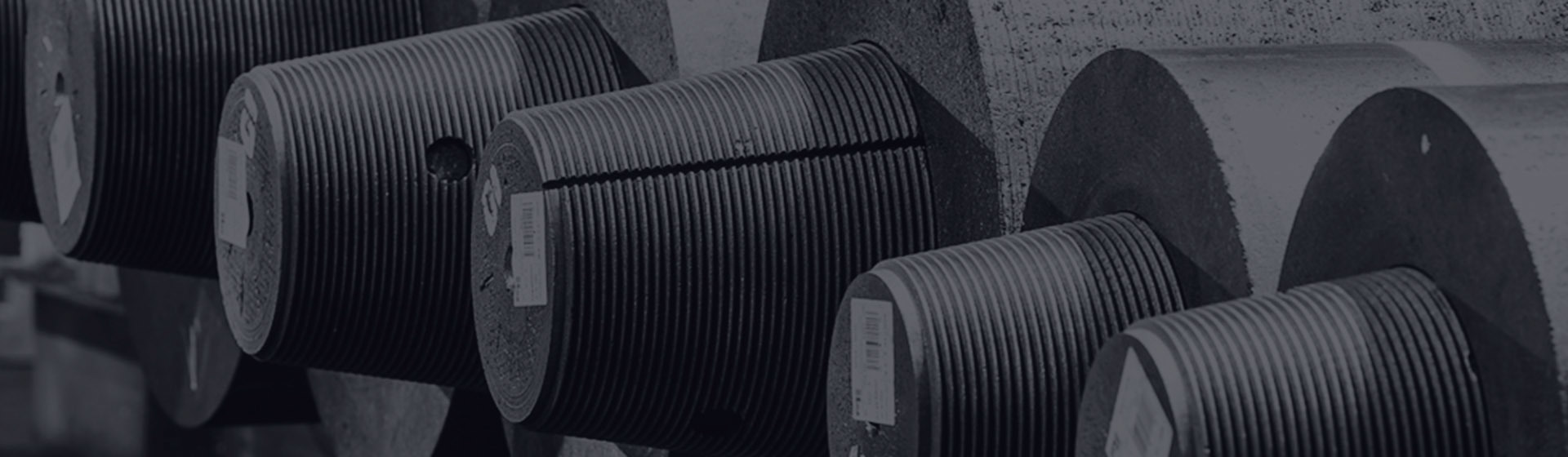
**Graphite electrodes** are cylindrical rods made primarily of **graphite**, a form of carbon known for its excellent electrical conductivity and thermal resistance. These electrodes are typically used in **electric arc furnaces (EAFs)**, which are crucial for melting scrap steel and producing new steel. The high temperatures generated in EAFs reach around **1,600 degrees Celsius**, making graphite electrodes indispensable due to their ability to withstand such extreme conditions.
The Significance of Graphite Electrodes in Carbon Products
Graphite electrodes are not only pivotal in steel production but also serve significant roles in other carbon products, including **aluminum**, **copper**, and **silicon** manufacturing. Their properties facilitate efficient melting and refining processes, thereby enhancing overall productivity and product quality.
Manufacturing Process of Graphite Electrodes
The production of graphite electrodes involves several stages, ensuring high quality and performance standards. The primary steps include:
1. Raw Material Selection
Quality raw materials, such as petroleum coke and pitch, are chosen for their carbon content. These materials provide the necessary properties for effective electrode production.
2. Calcination
The selected materials undergo **calcination**, a process where they are heated to high temperatures (around 1,200 degrees Celsius) to remove volatile substances and enhance carbon content.
3. Mixing and Kneading
The calcined material is mixed with a binding agent and kneaded to form a homogeneous paste. This paste is then extruded into cylindrical shapes to form the electrodes.
4. Baking
The formed electrodes are baked in a furnace at high temperatures (around 1,000 to 1,200 degrees Celsius) to solidify their structure and enhance their mechanical properties.
5. Graphitization
The baked electrodes are subjected to an even higher temperature (over 2,500 degrees Celsius) in a graphitization furnace, converting them into graphite through a process that reorganizes the carbon atoms into a crystalline structure.
6. Machining
Finally, the electrodes are machined to precise dimensions and specifications, ensuring they meet the requirements of various applications.
Characteristics and Properties of Graphite Electrodes
Graphite electrodes possess several unique characteristics that make them ideal for industrial applications:
1. High Electrical Conductivity
The exceptional **electrical conductivity** of graphite electrodes enables them to transmit electric current efficiently, which is crucial in electric arc furnaces.
2. Thermal Resistance
Graphite electrodes can withstand extreme temperatures without losing structural integrity, making them perfect for high-temperature applications.
3. Low Coefficient of Thermal Expansion
Graphite has a low coefficient of thermal expansion, which minimizes dimensional changes under heat, ensuring stability during operation.
4. Chemical Stability
These electrodes exhibit excellent resistance to oxidation and other chemical reactions, further enhancing their lifespan and reliability in harsh environments.
5. Mechanical Strength
Graphite electrodes possess high mechanical strength, allowing them to endure the physical stresses encountered in manufacturing processes.
Applications of Graphite Electrodes in Metallurgy
In metallurgy, graphite electrodes are primarily employed in electric arc furnaces for steelmaking. Their applications extend to:
1. Steel Production
Graphite electrodes play a crucial role in melting scrap steel and producing high-quality steel products. Their efficiency in conducting electricity allows for faster melting and reduced energy consumption.
2. Foundry Operations
In foundries, graphite electrodes are used in melting non-ferrous metals such as **aluminum** and **copper**, aiding in the production of alloys and other metal products.
3. Ferroalloy Production
Graphite electrodes are integral in producing various ferroalloys, which are essential for enhancing the properties of steel and other metals.
Graphite Electrodes in the Energy Sector
Beyond metallurgy, graphite electrodes are significant in the energy sector, particularly in:
1. Electric Arc Furnaces for Power Generation
Graphite electrodes are utilized in electric arc furnaces, which convert electrical energy into thermal energy, playing a pivotal role in energy generation processes.
2. Battery Manufacturing
With the rise of electric vehicles and renewable energy sources, graphite electrodes are increasingly used in manufacturing batteries, particularly lithium-ion batteries, due to their conductivity and stability.
Benefits of Using Graphite Electrodes
The adoption of graphite electrodes in various applications offers numerous advantages:
1. Energy Efficiency
Graphite electrodes enhance energy efficiency in industrial processes, reducing operational costs and environmental impact.
2. Improved Product Quality
By facilitating higher melting temperatures and efficient processing, graphite electrodes contribute to the production of superior quality metal products.
3. Sustainability
Utilizing recycled materials in the production of graphite electrodes aligns with sustainability goals, minimizing waste and promoting circular economy principles.
Future Trends and Innovations in Graphite Electrode Technology
The graphite electrode industry is poised for significant advancements, driven by technological innovations and evolving market demands. Key trends include:
1. Enhanced Performance Materials
Research and development are focusing on enhancing the performance of graphite electrodes, leading to the creation of new materials that further increase efficiency and longevity.
2. Automation in Manufacturing
The integration of automation and robotics in the manufacturing process aims to improve precision, reduce labor costs, and enhance production rates.
3. Sustainable Production Practices
Efforts toward sustainable practices are expected to expand, with a growing emphasis on minimizing the carbon footprint associated with graphite electrode production.
4. Development of Graphene-based Electrodes
The emerging field of **graphene technology** presents opportunities for developing advanced electrodes with superior properties, potentially revolutionizing the industry.
Conclusion
In conclusion, graphite electrodes are indispensable in the production of carbon products across various industries, particularly in metallurgy and energy. Their unique properties, efficient manufacturing processes, and wide-ranging applications make them a critical component in modern industrial operations. As technology continues to evolve, the future of graphite electrodes looks promising, with innovations aimed at enhancing performance, sustainability, and operational efficiency. Understanding their role and potential will be crucial for industries looking to stay competitive and environmentally conscious in the years to come.
Frequently Asked Questions
1. What is the primary use of graphite electrodes?
The primary use of graphite electrodes is in electric arc furnaces for melting scrap steel and producing various metal products.
2. How are graphite electrodes manufactured?
Graphite electrodes are manufactured through a process involving raw material selection, calcination, mixing, baking, graphitization, and machining.
3. What are the key characteristics of graphite electrodes?
Key characteristics include high electrical conductivity, thermal resistance, low coefficient of thermal expansion, chemical stability, and mechanical strength.
4. What industries rely on graphite electrodes?
Industries that rely on graphite electrodes include metallurgy, energy, battery manufacturing, and foundries.
5. What future trends are expected in graphite electrode technology?
Future trends include the development of enhanced performance materials, automation in manufacturing, sustainable production practices, and innovations in graphene-based electrodes.
Keywords:
More information