


Understanding Graphite Electrodes with Nipples: Essential Insights for Metallurgy and Energy Industries
Release Time:
Mar 15,2025
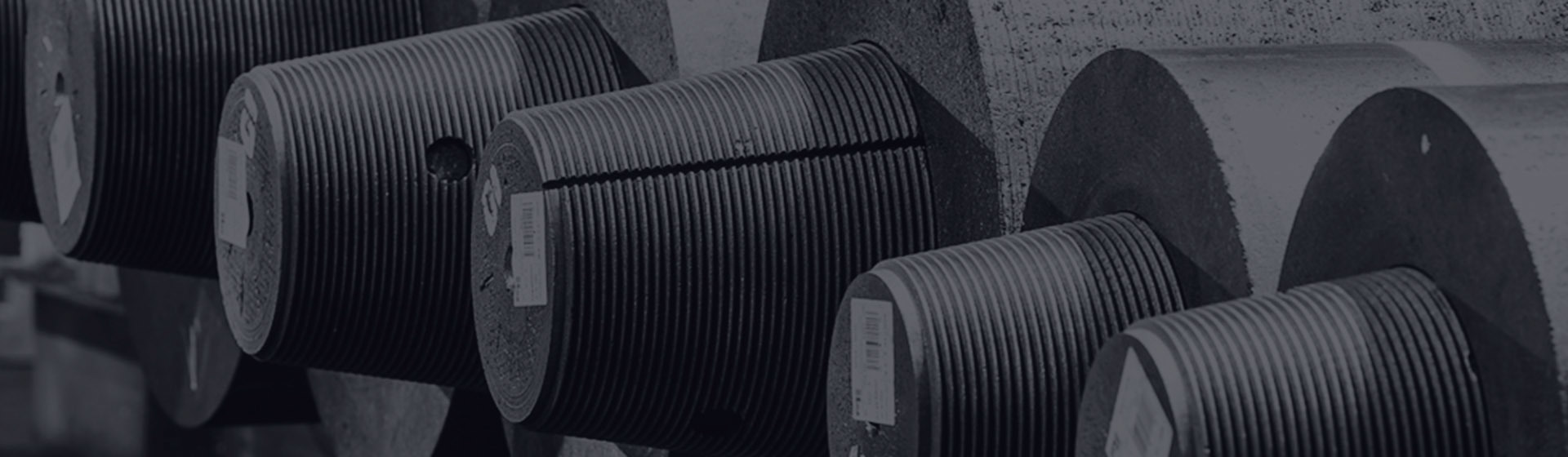
Graphite electrodes are critical components in various industrial processes, especially in metallurgical applications. Among the different types of graphite electrodes, those with nipples have gained attention for their unique design and functionality. Nipples, which are threaded extensions at the end of the electrodes, play a vital role in the assembly and performance of these devices. One of the

Graphite electrodes are critical components in various industrial processes, especially in metallurgical applications. Among the different types of graphite electrodes, those with nipples have gained attention for their unique design and functionality. Nipples, which are threaded extensions at the end of the electrodes, play a vital role in the assembly and performance of these devices.
One of the primary advantages of graphite electrodes with nipples is their ability to facilitate easier and more secure connections during electric arc furnace (EAF) operations. The nipple design allows for a more stable joint between electrodes, which is essential during high-temperature operations. This stability minimizes the risk of electrode breakage or disconnection, thereby enhancing operational efficiency and safety.
In the realm of metallurgy, particularly in steel production, graphite electrodes with nipples are indispensable. They are used to conduct electric current to the furnace, enabling the melting of scrap metals or direct reduced iron (DRI). The high thermal conductivity and electrical efficiency of graphite make these electrodes suitable for such applications, contributing to the overall effectiveness of the process. Additionally, the design helps in reducing the wear and tear on both the electrodes and the furnace lining, which can lead to lower operational costs in the long run.
Another aspect worth noting is the environmental considerations associated with the use of graphite electrodes in EAFs. These electrodes contribute to a more sustainable production process by allowing for the recycling of scrap metals, thus reducing the demand for virgin materials. The use of recycled materials not only conserves resources but also minimizes the carbon footprint associated with metal production.
Moreover, the performance of graphite electrodes with nipples can be influenced by various factors, including the quality of the graphite material, the manufacturing process, and the specific operating conditions of the furnace. Therefore, it is crucial for industries to collaborate with reliable suppliers who understand the nuances of electrode performance and can provide tailored solutions to meet specific needs.
In summary, graphite electrodes with nipples represent a key innovation in the metallurgical and energy industries. Their design enhances electrical connectivity and operational stability, making them essential for efficient and sustainable metal production processes. Understanding the role and advantages of these electrodes is crucial for professionals aiming to optimize their operations and improve overall productivity in the non-metallic mining sector.
One of the primary advantages of graphite electrodes with nipples is their ability to facilitate easier and more secure connections during electric arc furnace (EAF) operations. The nipple design allows for a more stable joint between electrodes, which is essential during high-temperature operations. This stability minimizes the risk of electrode breakage or disconnection, thereby enhancing operational efficiency and safety.
In the realm of metallurgy, particularly in steel production, graphite electrodes with nipples are indispensable. They are used to conduct electric current to the furnace, enabling the melting of scrap metals or direct reduced iron (DRI). The high thermal conductivity and electrical efficiency of graphite make these electrodes suitable for such applications, contributing to the overall effectiveness of the process. Additionally, the design helps in reducing the wear and tear on both the electrodes and the furnace lining, which can lead to lower operational costs in the long run.
Another aspect worth noting is the environmental considerations associated with the use of graphite electrodes in EAFs. These electrodes contribute to a more sustainable production process by allowing for the recycling of scrap metals, thus reducing the demand for virgin materials. The use of recycled materials not only conserves resources but also minimizes the carbon footprint associated with metal production.
Moreover, the performance of graphite electrodes with nipples can be influenced by various factors, including the quality of the graphite material, the manufacturing process, and the specific operating conditions of the furnace. Therefore, it is crucial for industries to collaborate with reliable suppliers who understand the nuances of electrode performance and can provide tailored solutions to meet specific needs.
In summary, graphite electrodes with nipples represent a key innovation in the metallurgical and energy industries. Their design enhances electrical connectivity and operational stability, making them essential for efficient and sustainable metal production processes. Understanding the role and advantages of these electrodes is crucial for professionals aiming to optimize their operations and improve overall productivity in the non-metallic mining sector.
Keywords:
More information