


A Greener Future: Sustainable Practices with EAF Graphite Electrodes
Release Time:
Mar 18,2025
A Greener Future: Sustainable Practices with EAF Graphite Electrodes Table of Contents 1. Introduction to EAF Graphite Electrodes 2. Importance of Sustainable Practices in Metallurgy 3. Understanding EAF Graphite Electrodes 3.1 Definition and Composition of EAF Graphite Electrodes 3.2 Manufacturing Process of EAF Graphite Electrodes 4. Advantages

A Greener Future: Sustainable Practices with EAF Graphite Electrodes
Table of Contents
- 1. Introduction to EAF Graphite Electrodes
- 2. Importance of Sustainable Practices in Metallurgy
- 3. Understanding EAF Graphite Electrodes
- 3.1 Definition and Composition of EAF Graphite Electrodes
- 3.2 Manufacturing Process of EAF Graphite Electrodes
- 4. Advantages of Using EAF Graphite Electrodes
- 5. Sustainability and Environmental Impact
- 6. Applications of EAF Graphite Electrodes
- 7. The Future of EAF Graphite Electrodes in Sustainable Metallurgy
- 8. Frequently Asked Questions
- 9. Conclusion
1. Introduction to EAF Graphite Electrodes
In today's rapidly evolving metallurgical industry, the push towards sustainable practices has become imperative. Electric Arc Furnace (EAF) graphite electrodes play a significant role in this transformation, offering an eco-friendly alternative to traditional methods. Understanding the intricacies of EAF graphite electrodes and their contribution to sustainability is crucial for industry stakeholders, policymakers, and environmentalists alike.
2. Importance of Sustainable Practices in Metallurgy
As global awareness of environmental issues intensifies, the metallurgy sector faces mounting pressure to adopt sustainable practices. The following points highlight why sustainability in metallurgy is vital:
2.1 Environmental Concerns
The metallurgical industry is a significant contributor to carbon emissions. Transitioning to sustainable practices can drastically reduce the carbon footprint associated with metal production.
2.2 Resource Conservation
Sustainable metallurgy emphasizes the efficient use of resources, minimizing waste and conserving non-renewable materials.
2.3 Regulatory Compliance
Governments worldwide are implementing stricter regulations regarding emissions and waste management. Adopting sustainable practices helps companies comply with these regulations and avoid penalties.
2.4 Market Demand
Consumers are increasingly favoring products made with sustainable practices. Companies that adopt green technologies can enhance their market position and brand loyalty.
3. Understanding EAF Graphite Electrodes
EAF graphite electrodes are essential components in the electric arc furnace process, enabling the melting of scrap metal and the production of new steel. Their unique properties and capabilities make them indispensable in modern metallurgy.
3.1 Definition and Composition of EAF Graphite Electrodes
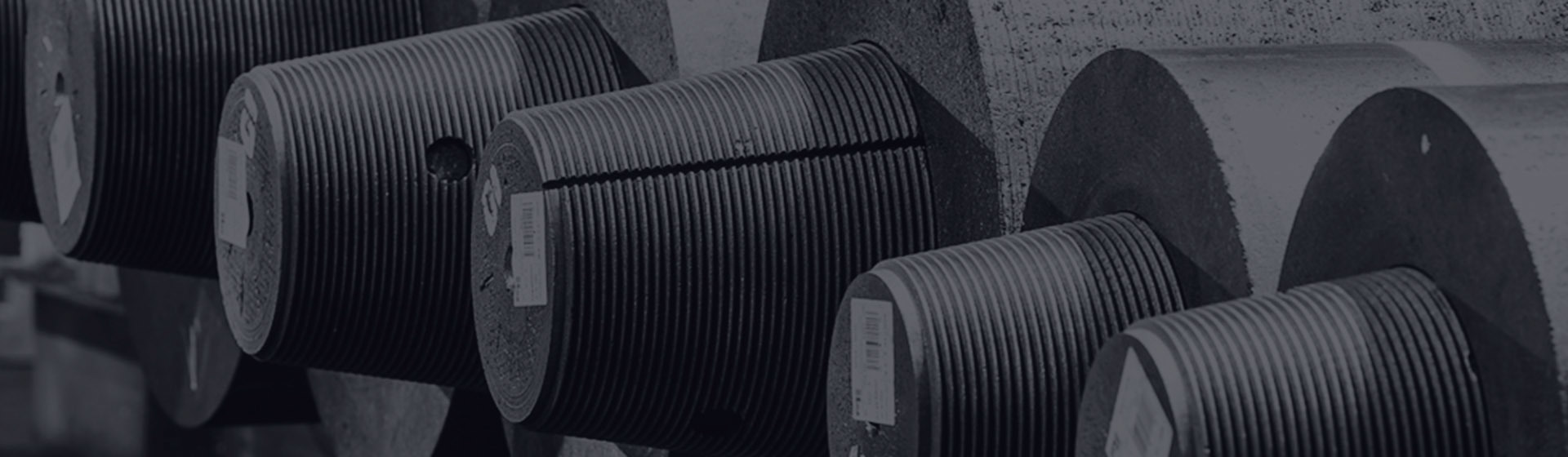
EAF graphite electrodes are cylindrical rods made primarily of graphitized petroleum coke and coal tar pitch. These materials are processed to create electrodes that can withstand high temperatures and electrical conductivity, crucial for efficient melting operations.
3.2 Manufacturing Process of EAF Graphite Electrodes
The manufacturing of EAF graphite electrodes involves several critical steps:
1. **Raw Material Preparation:** The initial stage includes sourcing and preparing high-quality petroleum coke and coal tar pitch.
2. **Mixing:** The raw materials are mixed to create a homogenous blend.
3. **Molding:** The mixture is then shaped into cylindrical electrodes.
4. **Baking:** The molded electrodes undergo a baking process at high temperatures, which hardens the material.
5. **Graphitization:** Finally, the electrodes are subjected to even higher temperatures in a graphitization furnace, imparting the necessary conductive properties.
4. Advantages of Using EAF Graphite Electrodes
EAF graphite electrodes offer numerous advantages that contribute to the sustainability of the metallurgical industry.
4.1 Enhanced Electrical Conductivity
The conductive nature of graphite ensures that EAF operations are efficient, reducing energy consumption and costs.
4.2 High Thermal Resistance
Graphite electrodes can withstand extreme temperatures, making them ideal for melting processes without degrading quickly.
4.3 Reduced Emissions
By utilizing EAF technology with graphite electrodes, metallurgical plants can significantly lower their greenhouse gas emissions compared to traditional blast furnaces.
4.4 Versatility
EAF graphite electrodes can be used for various applications beyond steel production, including ferroalloys, aluminum, and other non-ferrous metals.
5. Sustainability and Environmental Impact
The integration of EAF graphite electrodes into metallurgical processes is not merely a trend; it represents a commitment to sustainable practices that mitigate environmental impact.
5.1 Recycling and Reusability of EAF Graphite Electrodes
One of the most significant sustainability advantages of EAF graphite electrodes is their recyclability. Used electrodes can be reprocessed and utilized in various applications, minimizing waste and conserving resources.
5.2 Energy Efficiency in EAF Operations
EAF technology, coupled with graphite electrodes, significantly enhances energy efficiency. The direct melting process requires less energy than traditional methods, resulting in lower overall emissions.
6. Applications of EAF Graphite Electrodes
The versatility of EAF graphite electrodes extends to various industries:
6.1 Steel Production
EAF graphite electrodes are primarily used in steel production, allowing for the recycling of scrap steel into new products.
6.2 Non-Ferrous Metals
They are also utilized in the production of non-ferrous metals, such as aluminum and copper, which require precise melting techniques.
6.3 Ferroalloys
Ferroalloys, which are essential for enhancing the properties of metals, can be produced more sustainably through EAF processes using graphite electrodes.
7. The Future of EAF Graphite Electrodes in Sustainable Metallurgy
The future of EAF graphite electrodes is bright, driven by advancements in technology and increasing global demand for sustainable practices. Research and development are ongoing to enhance the efficiency and lifespan of these electrodes, further solidifying their role in a greener future.
8. Frequently Asked Questions
8.1 What are EAF graphite electrodes?
EAF graphite electrodes are cylindrical rods made from petroleum coke and coal tar pitch, used in electric arc furnaces for melting metals.
8.2 How do EAF graphite electrodes contribute to sustainability?
They enhance energy efficiency, reduce emissions, and can be recycled, minimizing waste and conserving resources.
8.3 In which industries are EAF graphite electrodes used?
They are primarily used in steel production but also in non-ferrous metal and ferroalloy production.
8.4 What are the advantages of EAF technology?
Advantages include reduced emissions, lower energy consumption, high thermal resistance, and enhanced electrical conductivity.
8.5 How are EAF graphite electrodes manufactured?
The manufacturing process includes raw material preparation, mixing, molding, baking, and graphitization.
9. Conclusion
As we move towards a more sustainable future, the role of Electric Arc Furnace (EAF) graphite electrodes in metallurgy cannot be overstated. Their unique properties, coupled with the growing demand for sustainable practices, position them as a cornerstone in the industry. By embracing EAF technology and its advantages, we can significantly reduce environmental impacts, conserve resources, and pave the way for a greener future in metallurgy. The ongoing innovations in this field promise exciting developments that will further enhance the efficiency and sustainability of metal production.
Keywords:
More information