


Understanding Carbon Graphite Electrodes: Their Importance in Metallurgy and Beyond
Release Time:
Jun 01,2025
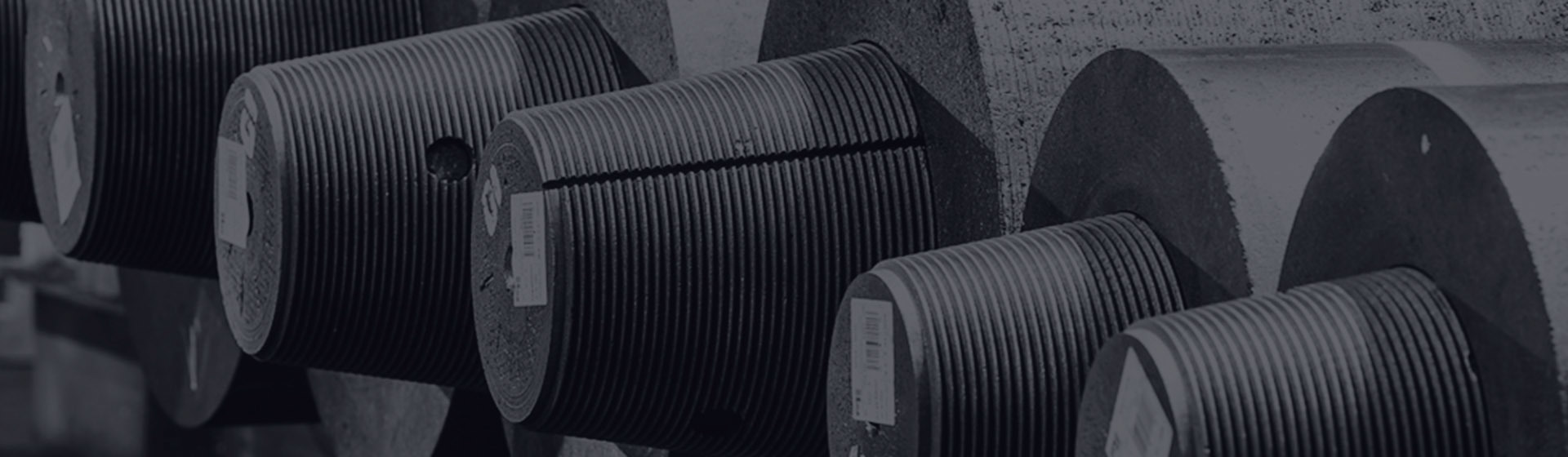
Carbon graphite electrodes are crucial components in the metallurgy and energy industries, particularly for applications such as electric arc furnaces (EAFs) and aluminum production. These electrodes are primarily used to conduct electricity during high-temperature processes, where they facilitate the melting and refining of metals. Understanding the properties and applications of carbon graphite

Carbon graphite electrodes are crucial components in the metallurgy and energy industries, particularly for applications such as electric arc furnaces (EAFs) and aluminum production. These electrodes are primarily used to conduct electricity during high-temperature processes, where they facilitate the melting and refining of metals. Understanding the properties and applications of carbon graphite electrodes can significantly enhance operational efficiency and product quality in various industrial applications.
One of the primary functions of carbon graphite electrodes is to provide an effective electrical conductivity pathway. The unique structure of graphite, which consists of layered carbon atoms, allows for superior electron mobility, enabling efficient energy transfer. This is particularly important in electric arc furnaces, where high temperature and energy inputs are required to melt scrap metal and produce steel. The ability of carbon graphite electrodes to withstand extreme heat—often exceeding 3,000 degrees Fahrenheit—makes them indispensable in metallurgical processes.
Another significant aspect of carbon graphite electrodes is their thermal resistance. These electrodes maintain their structural integrity even under intense thermal stress, which is essential for ensuring consistent performance in high-temperature environments. Additionally, their chemical stability means they can endure the harsh conditions present in metal melting and refining processes without degrading or releasing harmful impurities, resulting in cleaner production.
Beyond their applications in metallurgy, carbon graphite electrodes are also utilized in various other industries. For instance, they play a vital role in the production of silicon and other non-ferrous metals. Their versatility extends to the realm of battery manufacturing, where they are integral to the performance of lithium-ion batteries, commonly used in electric vehicles and portable electronics. As the demand for cleaner energy solutions continues to rise, the significance of carbon graphite electrodes in energy storage applications is likely to grow.
One of the notable advantages of carbon graphite electrodes is their recyclability. After use, they can be reprocessed and repurposed, contributing to sustainability efforts within the industry. This not only reduces waste but also promotes a circular economy, aligning with global initiatives for environmental conservation.
In conclusion, carbon graphite electrodes are vital components in the metallurgy and energy sectors, offering exceptional electrical and thermal properties. Their versatility extends beyond traditional applications, making them indispensable in modern industrial processes. Understanding their role and benefits can lead to more efficient and sustainable practices in various fields, ensuring that industries can meet evolving demands while maintaining high standards of quality and performance.
One of the primary functions of carbon graphite electrodes is to provide an effective electrical conductivity pathway. The unique structure of graphite, which consists of layered carbon atoms, allows for superior electron mobility, enabling efficient energy transfer. This is particularly important in electric arc furnaces, where high temperature and energy inputs are required to melt scrap metal and produce steel. The ability of carbon graphite electrodes to withstand extreme heat—often exceeding 3,000 degrees Fahrenheit—makes them indispensable in metallurgical processes.
Another significant aspect of carbon graphite electrodes is their thermal resistance. These electrodes maintain their structural integrity even under intense thermal stress, which is essential for ensuring consistent performance in high-temperature environments. Additionally, their chemical stability means they can endure the harsh conditions present in metal melting and refining processes without degrading or releasing harmful impurities, resulting in cleaner production.
Beyond their applications in metallurgy, carbon graphite electrodes are also utilized in various other industries. For instance, they play a vital role in the production of silicon and other non-ferrous metals. Their versatility extends to the realm of battery manufacturing, where they are integral to the performance of lithium-ion batteries, commonly used in electric vehicles and portable electronics. As the demand for cleaner energy solutions continues to rise, the significance of carbon graphite electrodes in energy storage applications is likely to grow.
One of the notable advantages of carbon graphite electrodes is their recyclability. After use, they can be reprocessed and repurposed, contributing to sustainability efforts within the industry. This not only reduces waste but also promotes a circular economy, aligning with global initiatives for environmental conservation.
In conclusion, carbon graphite electrodes are vital components in the metallurgy and energy sectors, offering exceptional electrical and thermal properties. Their versatility extends beyond traditional applications, making them indispensable in modern industrial processes. Understanding their role and benefits can lead to more efficient and sustainable practices in various fields, ensuring that industries can meet evolving demands while maintaining high standards of quality and performance.
Keywords:
More information