


Understanding the Industrial Applications of Graphite Electrodes in Steel Production
Release Time:
Jan 20,2025
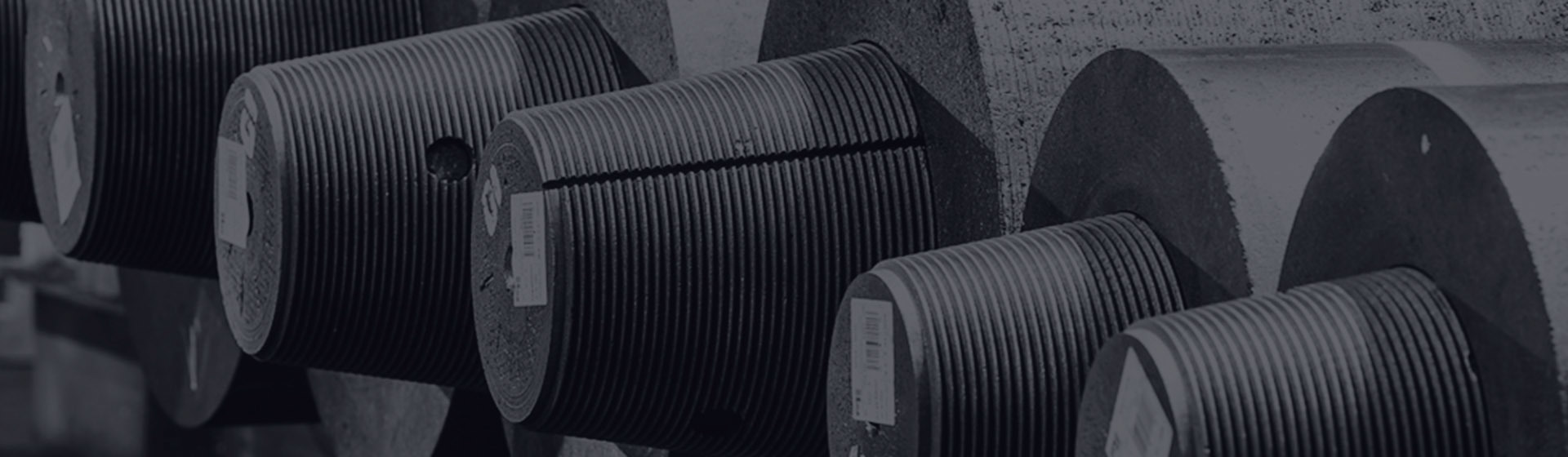
Graphite electrodes are electrical conductors made of a high purity, high density graphite material, which is mainly used in electric arc furnace steelmaking and other metallurgical processes. They can withstand extreme conditions at high temperatures and have good electrical conductivity and mechanical strength.

Graphite electrodes are electrical conductors made of a high purity, high density graphite material, which is mainly used in electric arc furnace steelmaking and other metallurgical processes. They can withstand extreme conditions at high temperatures and have good electrical conductivity and mechanical strength. Here are some important information about graphite electrodes:
Use
Steel production: Graphite electrodes are widely used in electric arc furnaces (EAF) to melt scrap steel or other metal raw materials.
Non-ferrous metal smelting: refining process of light metals such as aluminum and magnesium.
Resistance furnace heating elements: Used in a variety of industrial heating applications.
Manufacturing process
Graphite electrodes are usually manufactured by the following steps:
Raw material preparation: Select high purity artificial graphite powder as the main component.
Mixing and forming: The graphite powder is mixed with other additives such as coke and pressed into forming.
Roasting: High temperature treatment to harden the material and enhance its structural integrity.
Impregnation: Bitumen or resin impregnation is sometimes used to fill pores and improve density and conductivity.
Graphitization: The final graphitization process at extremely high temperatures ensures optimal physical and chemical properties.
Peculiarity
High electrical and thermal conductivity: allows for efficient transmission of current while helping to dissipate heat.
High temperature resistance: able to maintain stable performance at very high temperatures.
Low coefficient of thermal expansion: reduces dimensional variation due to temperature change.
Strong corrosion resistance: good resistance to a variety of chemical substances.
Environmental impact
With the increase of environmental awareness, the production and use of graphite electrodes are also facing pressure to reduce carbon emissions. Manufacturers are exploring cleaner technologies to reduce energy consumption and pollutant emissions during production.
Keywords:
More information