


Discovering the Versatility of HP Graphite Electrode
Release Time:
Mar 02,2026
Explore the features, benefits, and applications of HP graphite electrode in various industries.
Introduction to HP Graphite Electrode
In the bustling world of manufacturing and metallurgy, the HP graphite electrode is a standout player. These components are essential for electric arc furnaces, playing a crucial role in the production of steel and other metals. But what makes these electrodes tick? Let's dig into the details!
What Exactly is an HP Graphite Electrode?
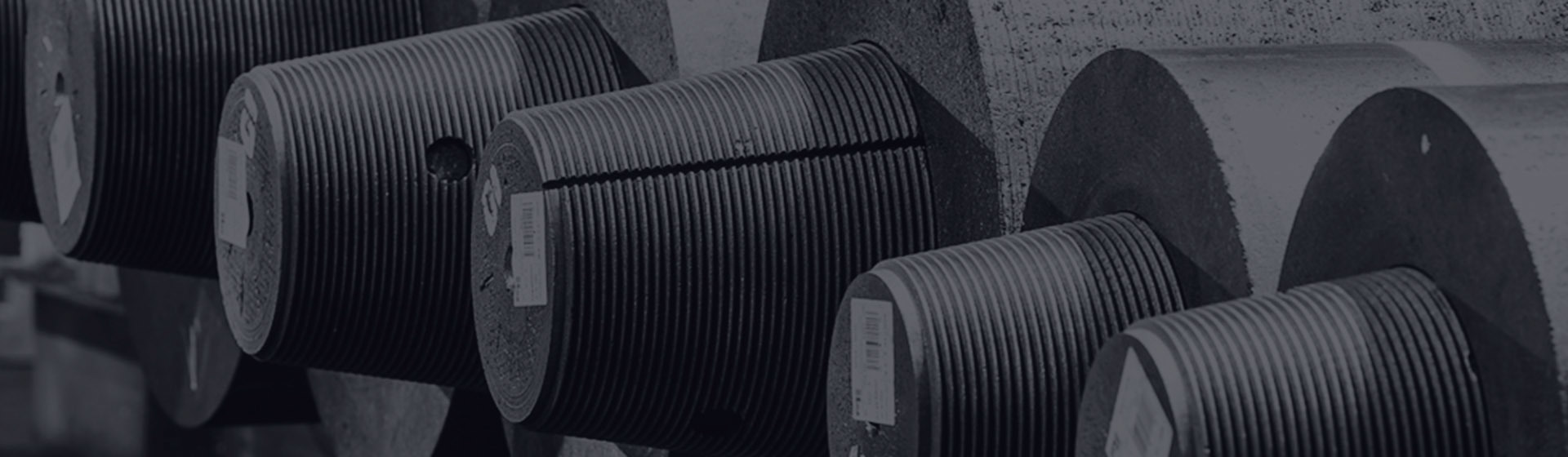
Simply put, an HP graphite electrode is a cylindrical piece made from high-purity graphite. These electrodes are designed to conduct electricity with remarkable efficiency, making them perfect for high-temperature applications. With their excellent thermal stability and low resistivity, they are a preferred choice in electric arc furnaces.
Why Use HP Graphite Electrodes?
Well, let's break it down! Here are a few reasons why HP graphite electrodes are worth your attention:
- High Thermal Conductivity: They can withstand extreme temperatures without losing their structural integrity.
- Cost-Effective: In the long run, they save money due to their durability and efficiency.
- Environmentally Friendly: They produce fewer emissions compared to other materials, contributing to cleaner operations.
Applications in Various Industries
HP graphite electrodes are not just limited to steel production. Their versatility is impressive! Here's where you might find them:
- Steel Manufacturing: As mentioned, they are crucial in electric arc furnaces for melting scrap steel.
- Aluminum Production: Used in the production of aluminum, these electrodes help in the electrolysis process.
- Graphite Production: They play a significant role in manufacturing other graphite products through various electrical processes.
How Are HP Graphite Electrodes Made?
Now, you might be curious about how these wonders are crafted. The production of HP graphite electrodes involves several critical steps:
- Raw Material Selection: High-quality petroleum needle coke is often used, ensuring the best performance.
- Compounding: The raw materials are mixed with a binder to create a dough-like consistency.
- Forming: The mixture is then extruded into cylindrical shapes.
- Sintering: These shapes are heated in a furnace to form a solid structure.
- Graphitization: Finally, the electrodes are subjected to high temperatures to convert them into graphite.
Challenges and Considerations
While HP graphite electrodes offer numerous benefits, there are challenges to consider:
- Supply Chain Issues: Fluctuations in the availability of raw materials can impact production.
- Market Competition: With the rise of alternative technologies, staying competitive is key.
- Environmental Regulations: Manufacturers must comply with various environmental standards, which can sometimes be stringent.
The Future of HP Graphite Electrodes
As industries evolve, so too does the technology behind HP graphite electrodes. Innovations in material science and production techniques are paving the way for even more efficient electrodes. Who knows? There may be a time when we see even more advanced versions that push the boundaries of what we thought possible!
Conclusion
To sum it up, HP graphite electrodes are a vital component in modern metallurgy and manufacturing. Their unique properties make them indispensable in various applications, and with ongoing advancements, their relevance is only set to grow. So, next time you hear about these graphite wonders, you'll know exactly why they're so important!
Keywords:
More information