


All You Need to Know About HP Graphite Electrode
Release Time:
Mar 15,2026
Explore the essential features and applications of HP graphite electrodes in modern industries.
Introduction to HP Graphite Electrodes
Have you ever wondered what powers the electric arc furnaces in steel manufacturing? Well, let me introduce you to the unsung hero of the industry: the HP graphite electrode. This remarkable product plays a crucial role in transforming raw materials into high-quality steel.
What Are HP Graphite Electrodes?
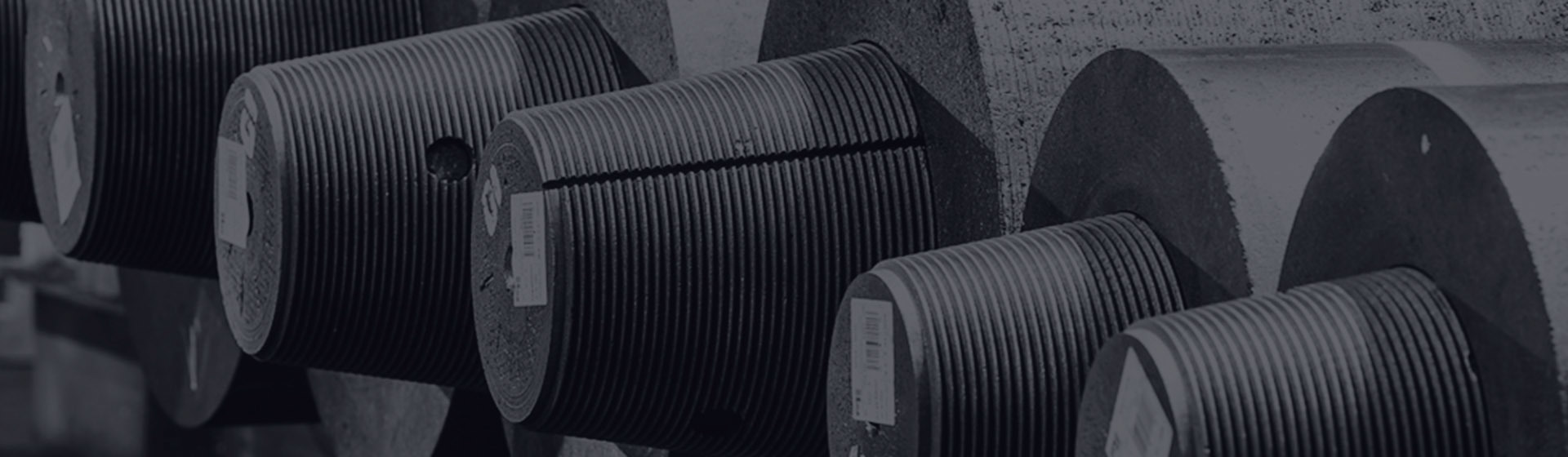
In the simplest terms, HP graphite electrodes are cylindrical conductive rods made primarily of graphite. They are designed to conduct electricity and withstand extreme temperatures, making them perfect for use in electric arc furnaces. These electrodes are known for their exceptional performance, efficiency, and durability.
The Manufacturing Process
Now, you might be asking, how are these electrodes made? The production process typically involves several key steps:
- Raw Material Selection: The journey begins with the selection of high-quality petroleum needle coke and pitch.
- Molding: The raw materials are then mixed and molded into cylindrical shapes.
- Baking: These molded shapes undergo a baking process at high temperatures to create a carbon structure.
- Graphitization: The final step involves heating the baked electrodes in a furnace at even higher temperatures, transforming them into graphite.
Each of these steps is crucial in ensuring that the HP graphite electrodes meet the stringent standards of the industry.
Applications of HP Graphite Electrodes
HP graphite electrodes are not just a one-trick pony; they are utilized across various industries. Here are some of the primary applications:
- Steel Production: By far, the most significant use is in electric arc furnaces for steelmaking.
- Aluminum Production: They are also employed in the production of aluminum, contributing to the efficiency and quality of the final product.
- Foundries: In foundries, these electrodes are used for melting and refining metals.
- Graphite Products: They are also essential in producing other graphite products, such as crucibles and molds.
Clearly, the versatility of HP graphite electrodes makes them indispensable in modern manufacturing processes.
Advantages of Using HP Graphite Electrodes
So, why should industries choose HP graphite electrodes? Let's break it down:
- High Conductivity: They offer excellent electrical conductivity, which is essential for efficient operation.
- Temperature Resistance: These electrodes can withstand extreme heat, making them suitable for high-temperature applications.
- Longevity: They have a longer lifespan compared to other electrode types, reducing the need for frequent replacements.
- Cost-Effectiveness: Their durability and efficiency can lead to lower operational costs over time.
With all these benefits, it's no wonder that HP graphite electrodes are in high demand!
Challenges and Considerations
Of course, like any technological product, HP graphite electrodes come with their own set of challenges:
- Environmental Concerns: The production process can be energy-intensive, raising environmental issues.
- Cost Fluctuations: The prices of raw materials can fluctuate, impacting the overall cost of production.
- Quality Control: Maintaining consistent quality throughout the manufacturing process is crucial.
These challenges are significant, but they can be managed with proper strategies and innovations.
Conclusion
In summary, HP graphite electrodes are a vital component in many industrial applications, especially in steel and aluminum production. Their unique properties, combined with a well-managed manufacturing process, make them essential for efficient and effective operations. As industries continue to evolve, the role of these electrodes will likely grow even more significant.
So, the next time you see steel or aluminum products, remember the power behind the scenes—the HP graphite electrode!
Keywords:
More information